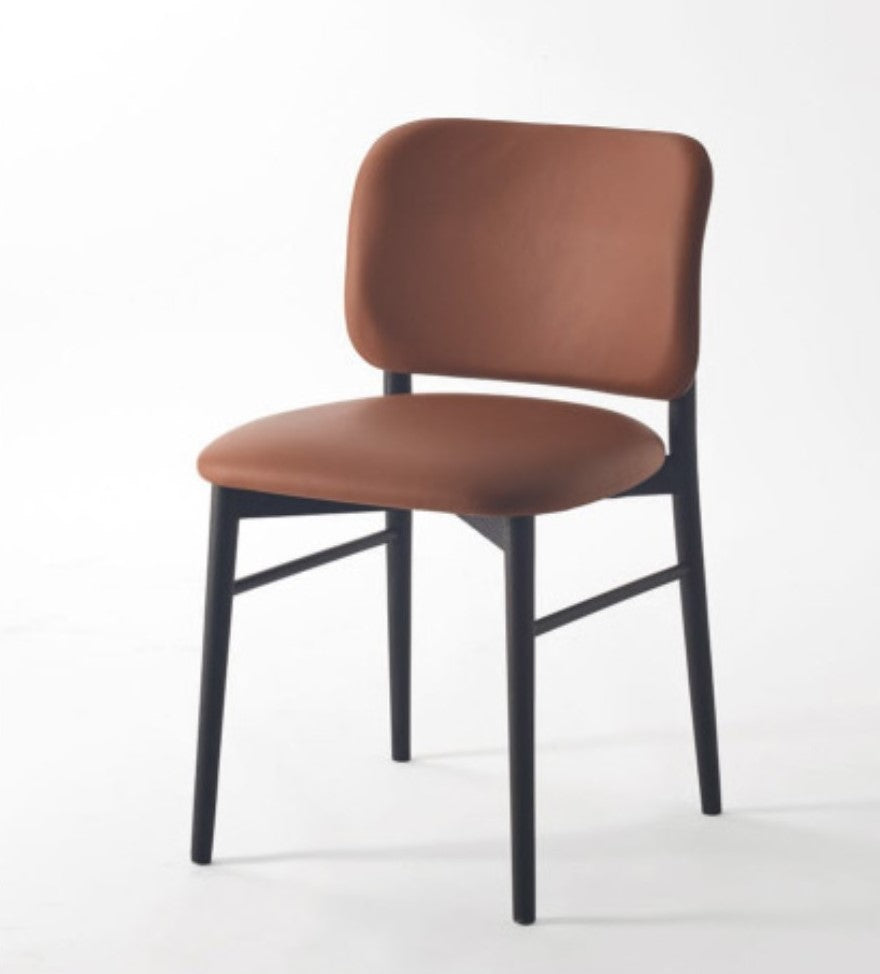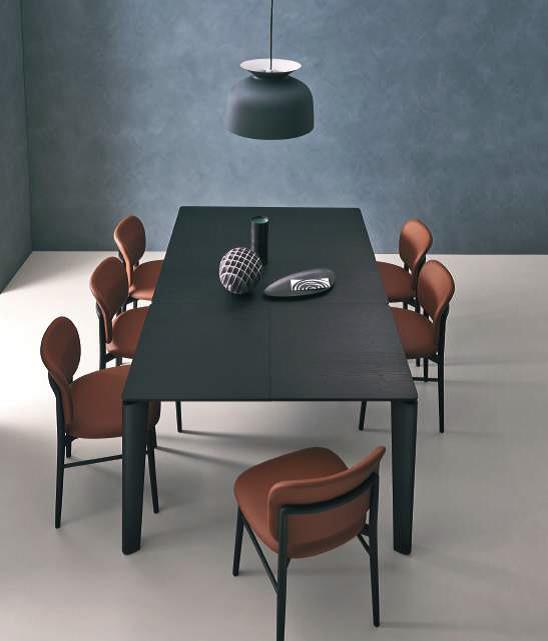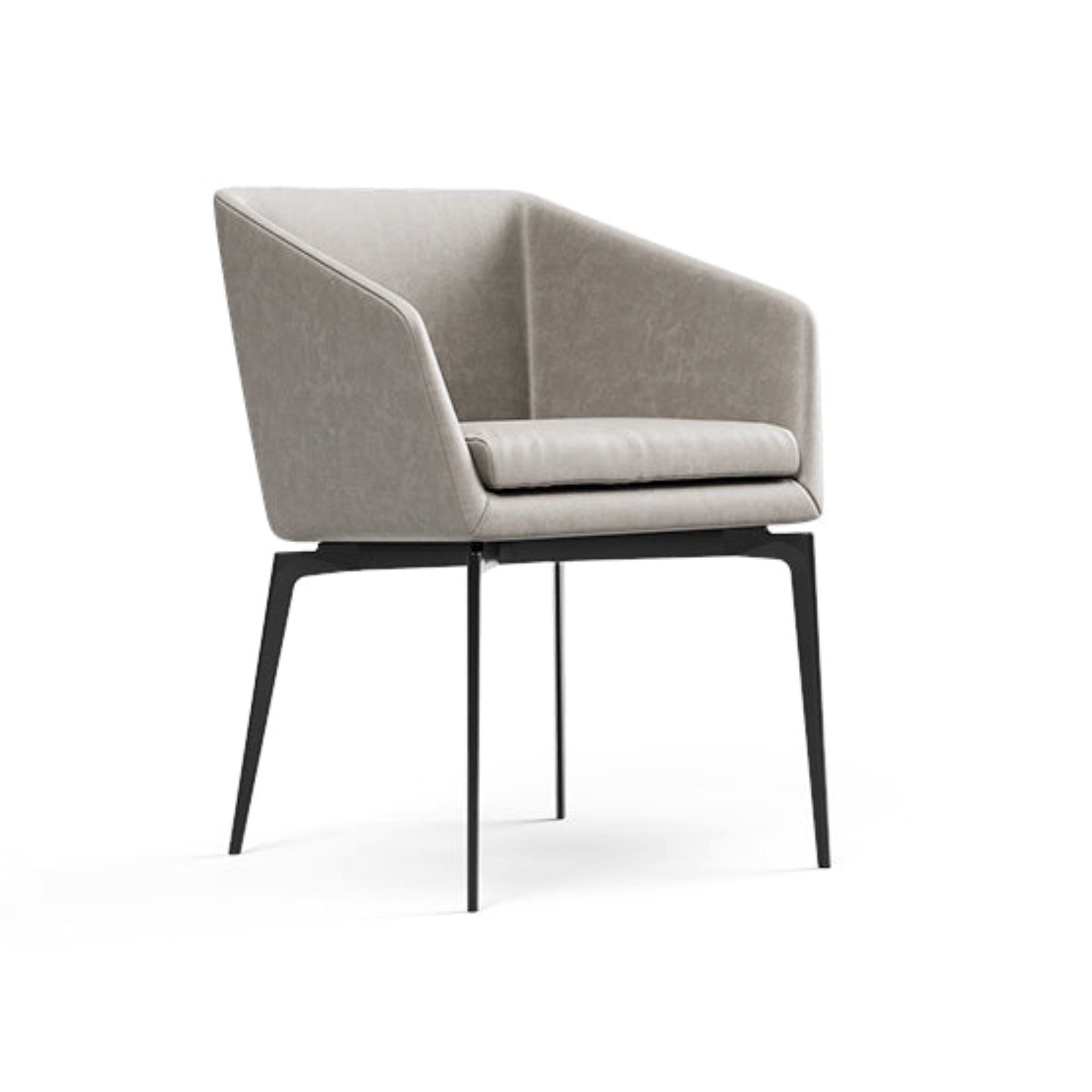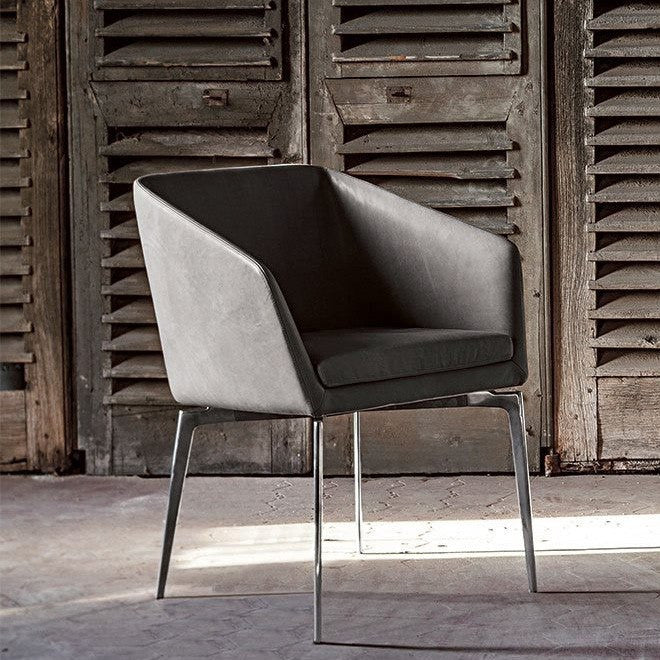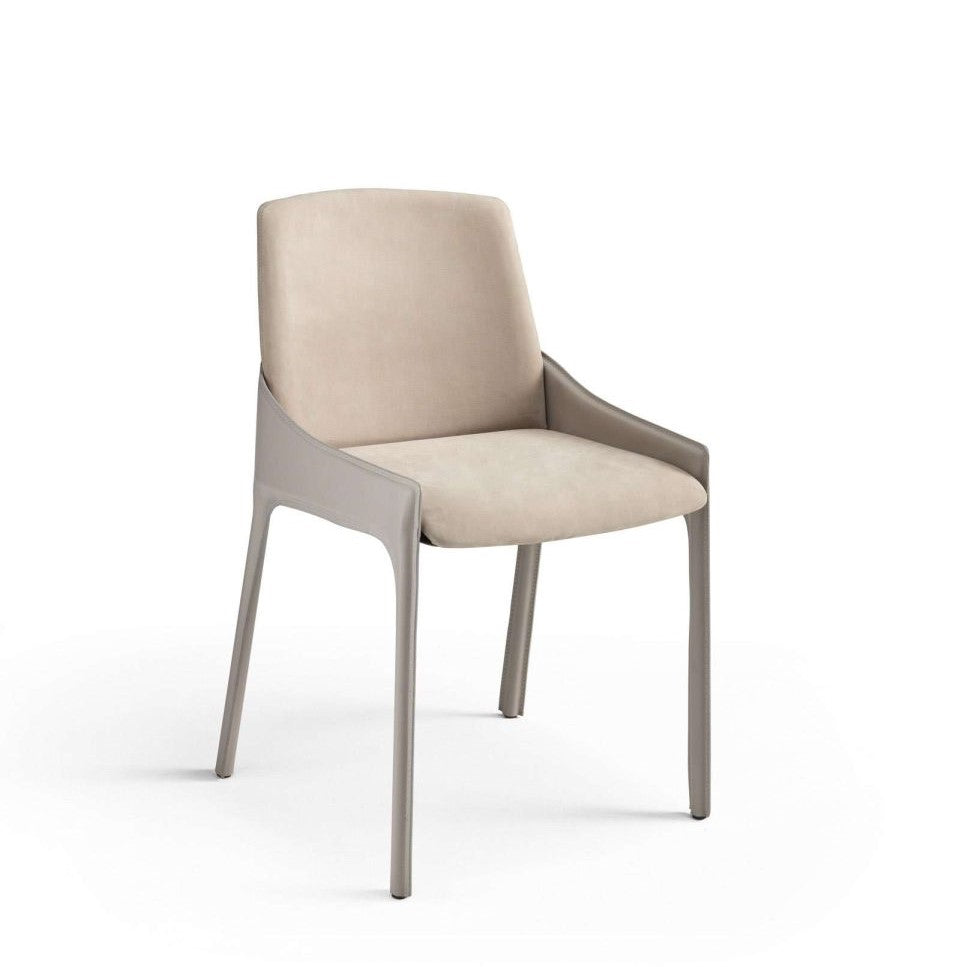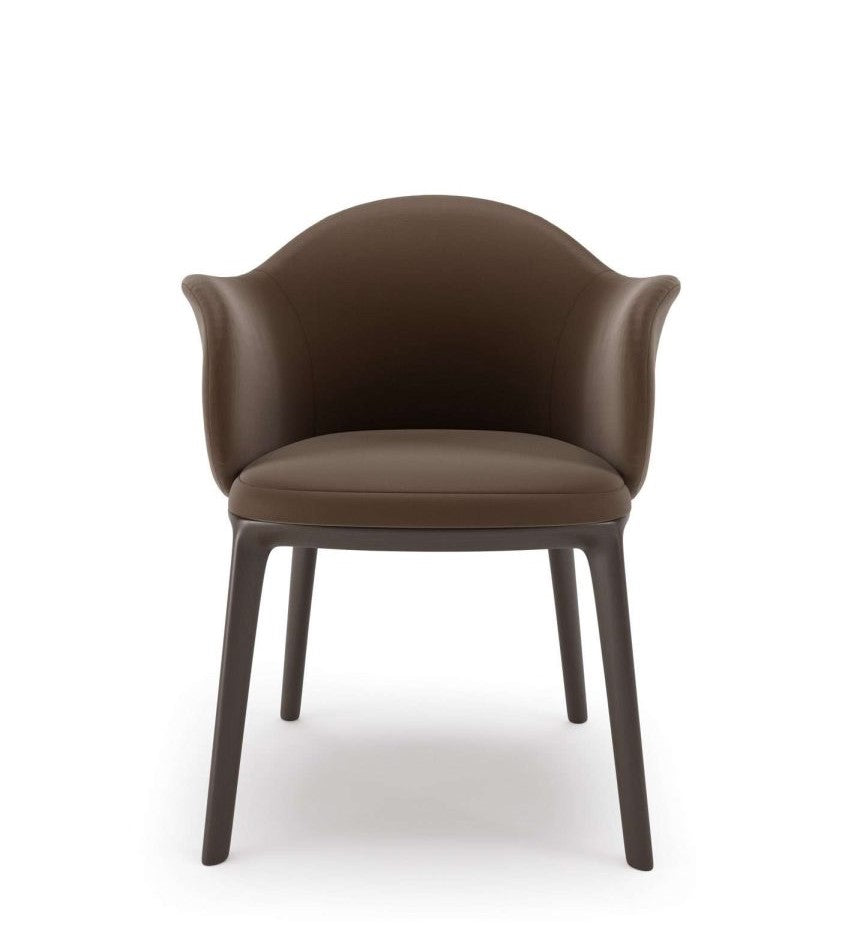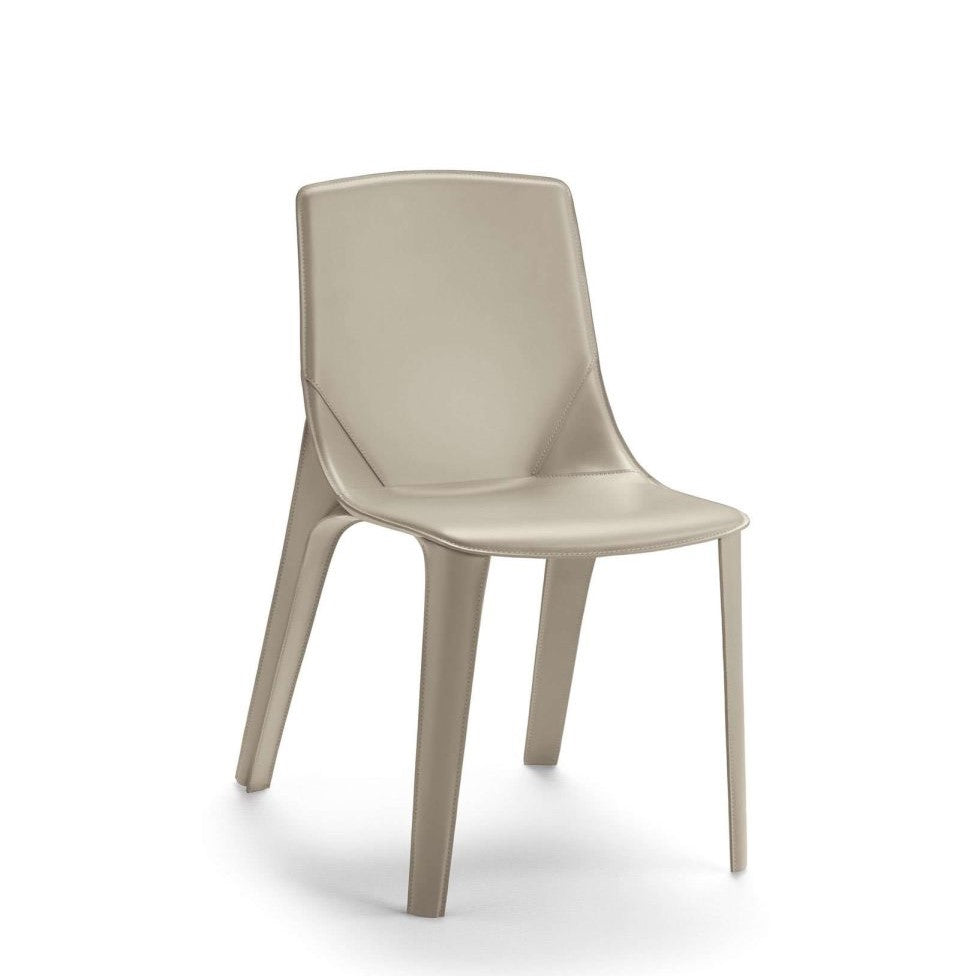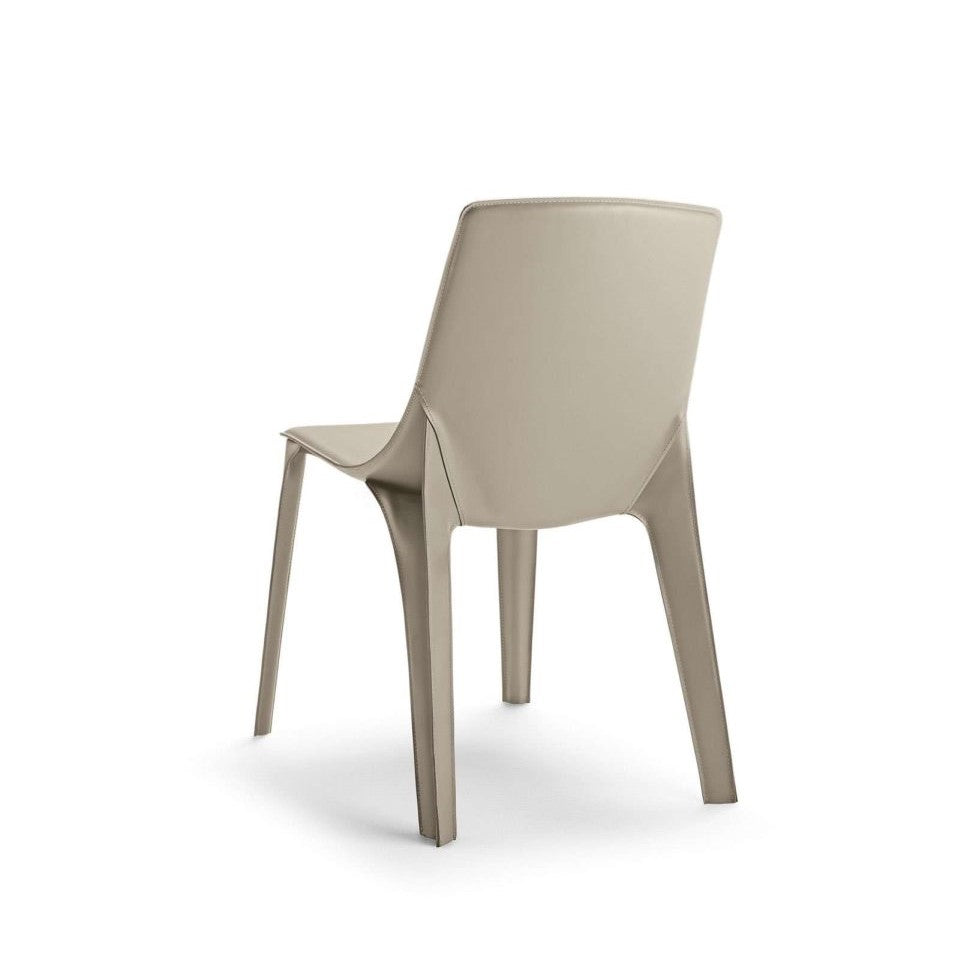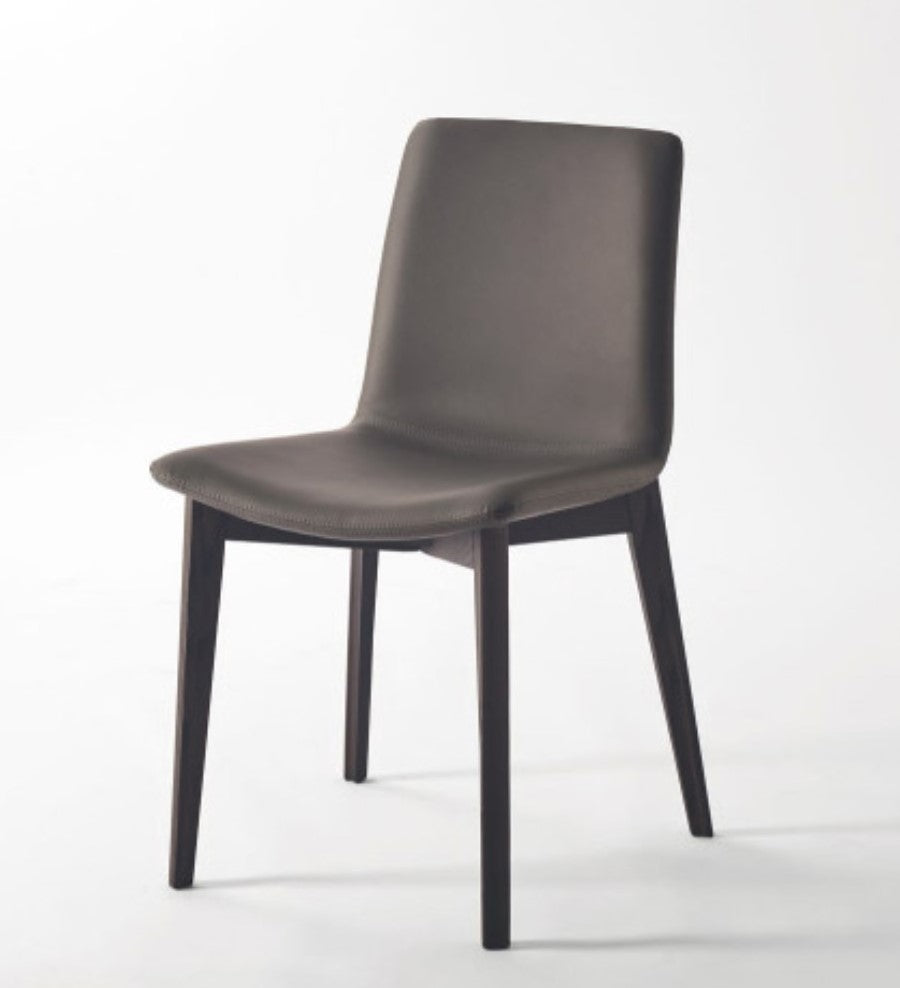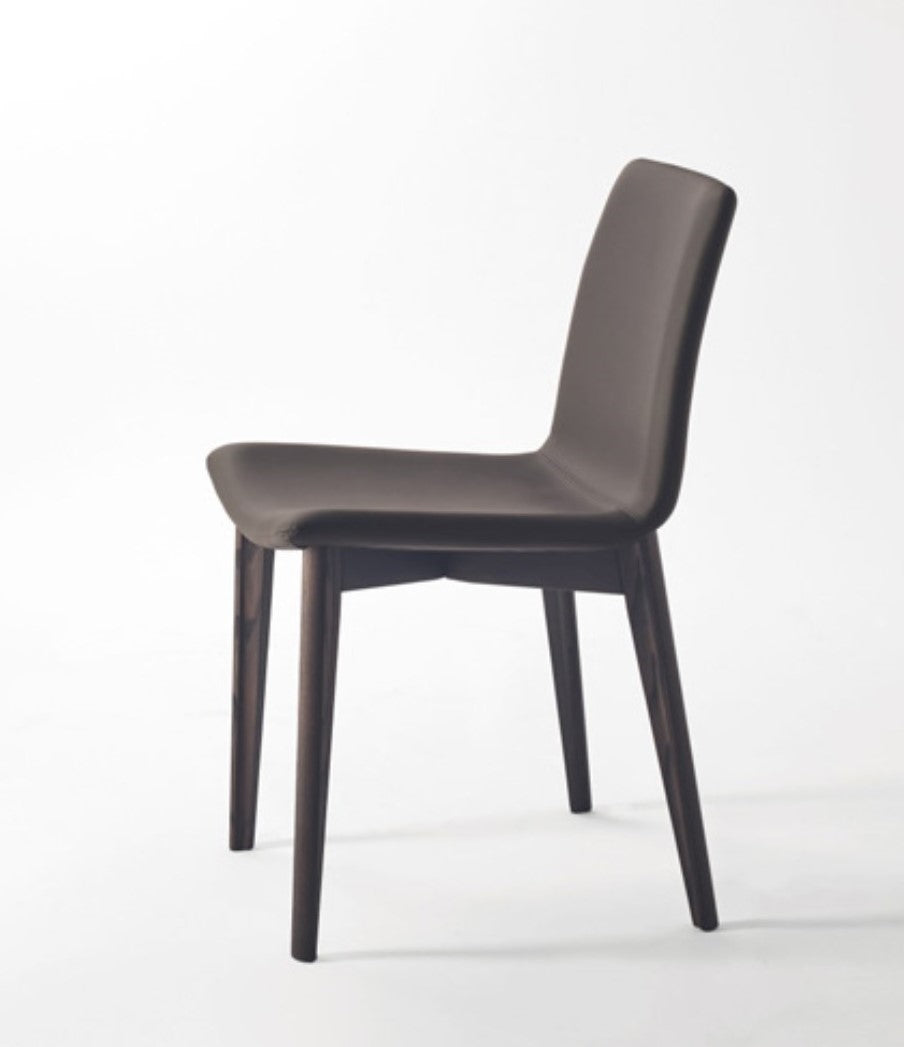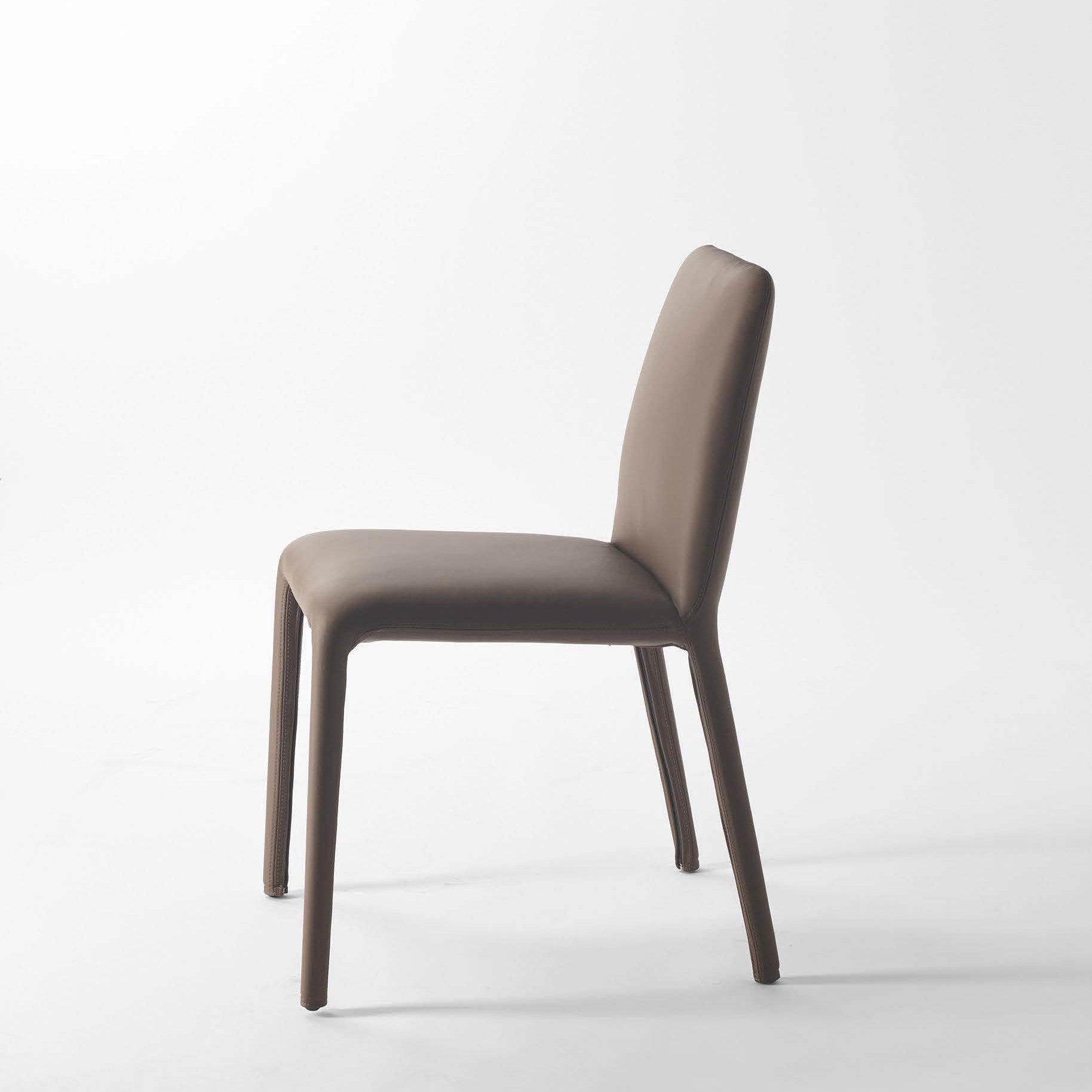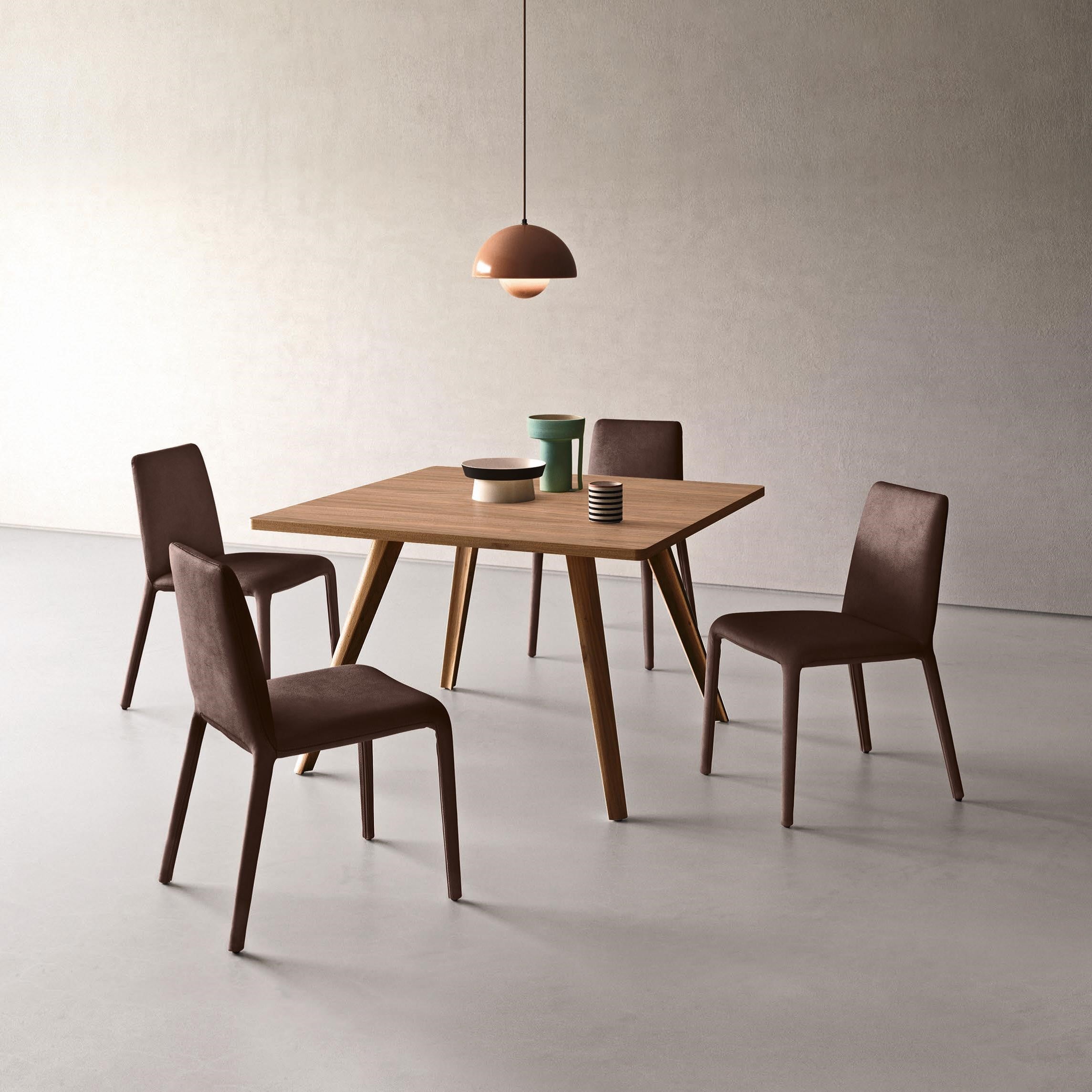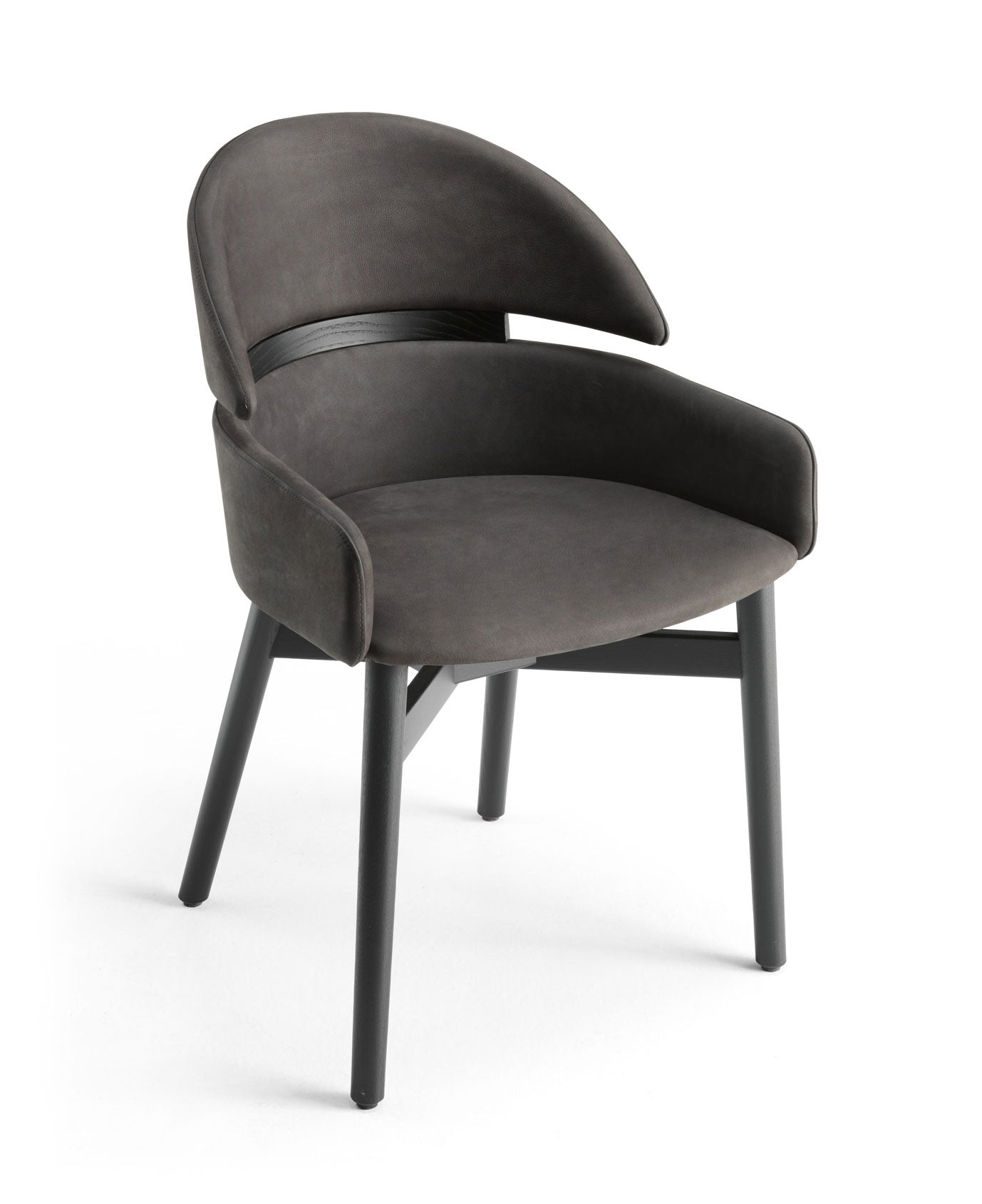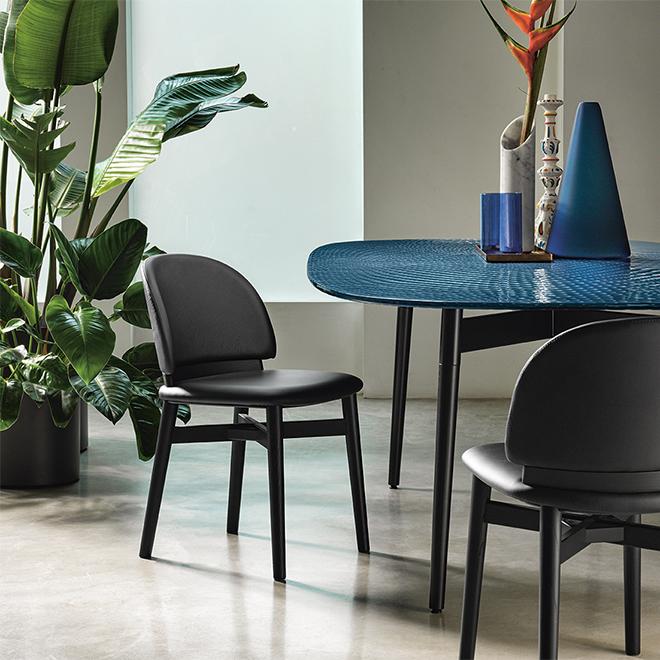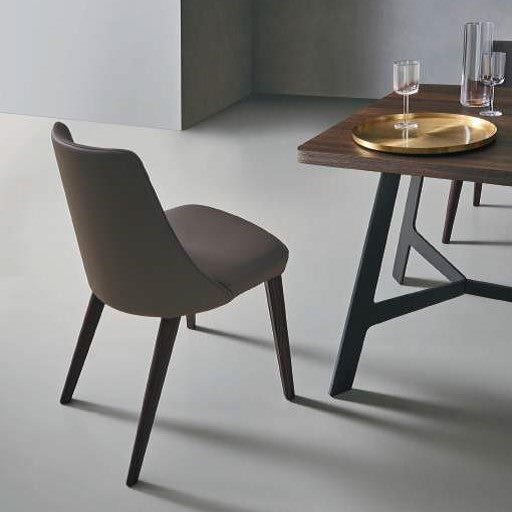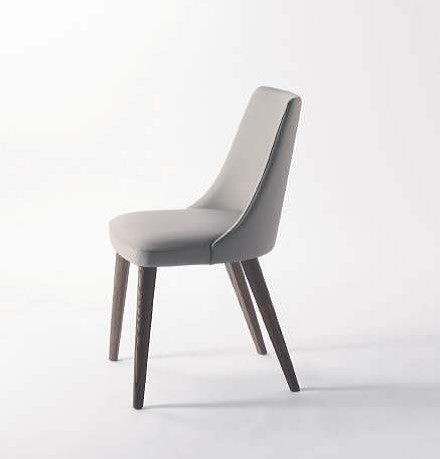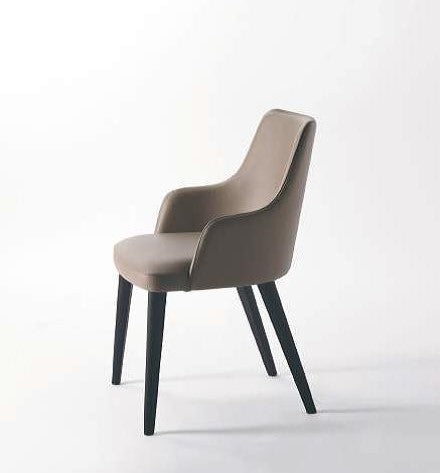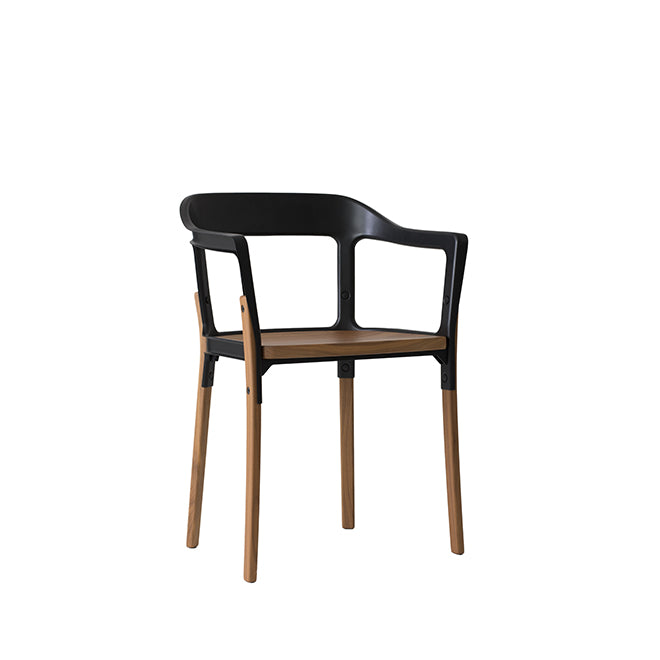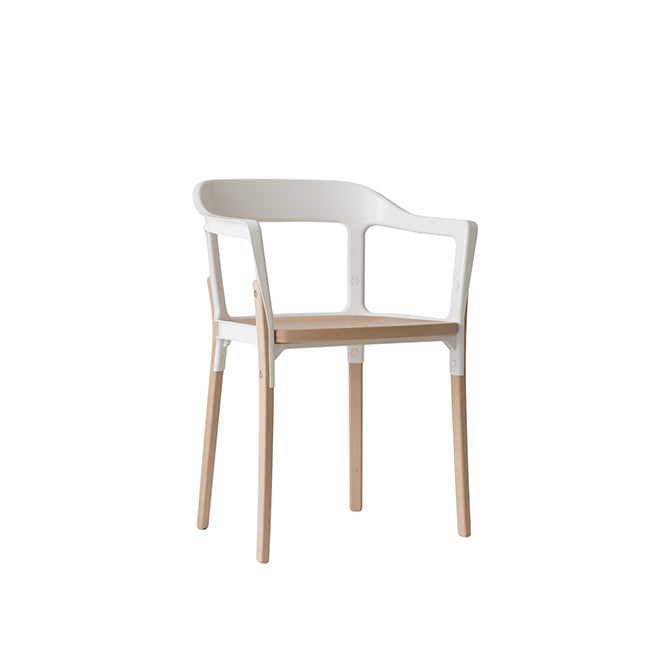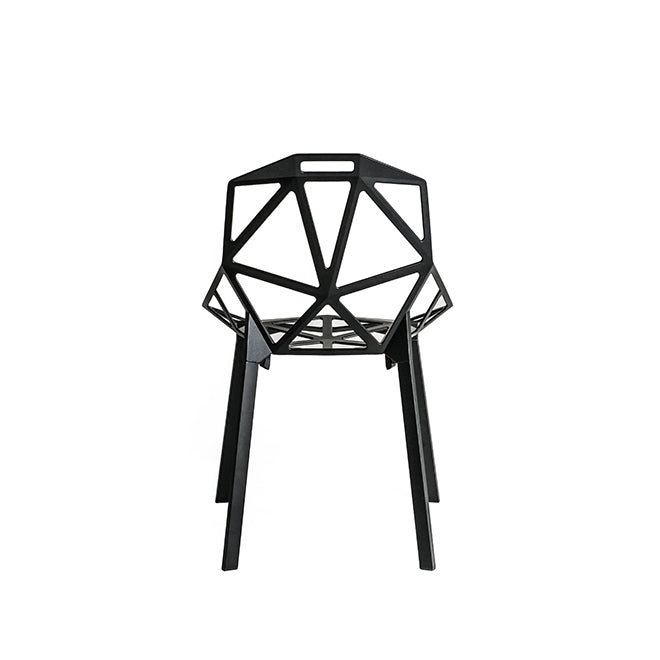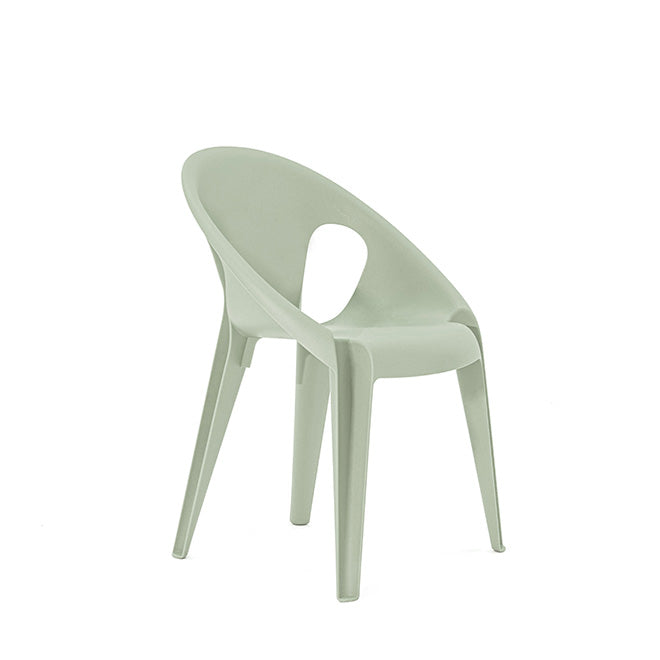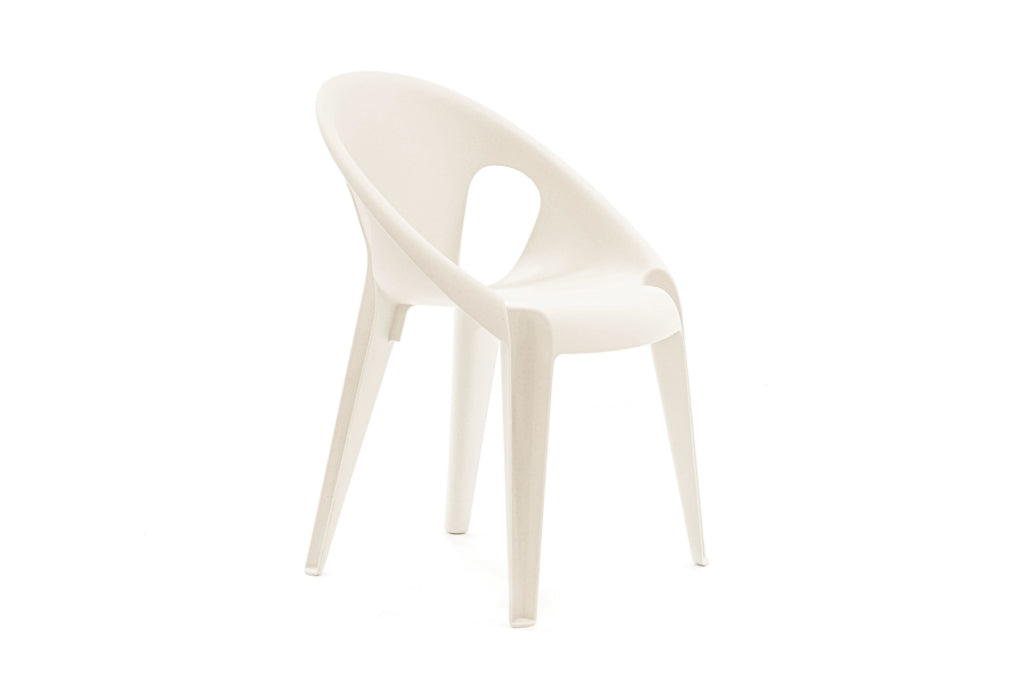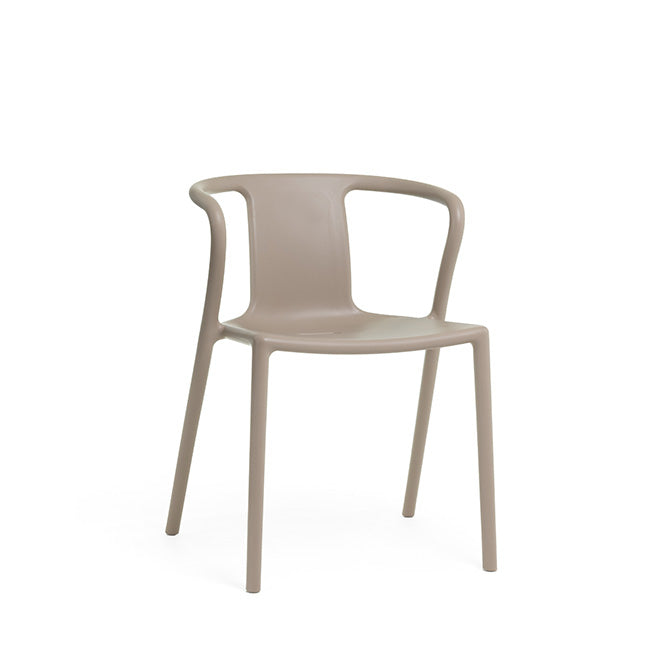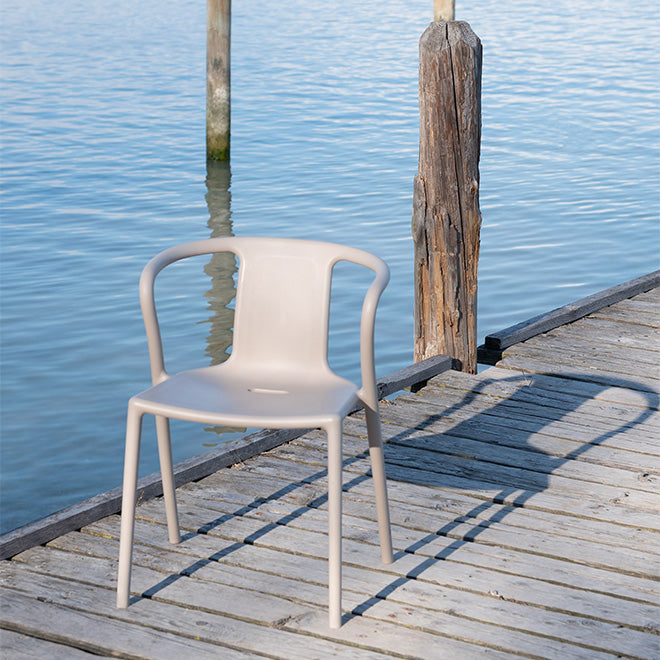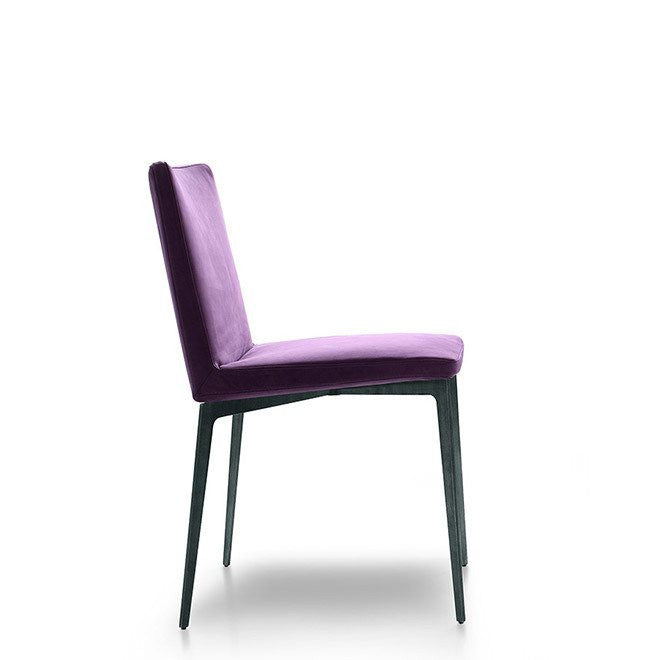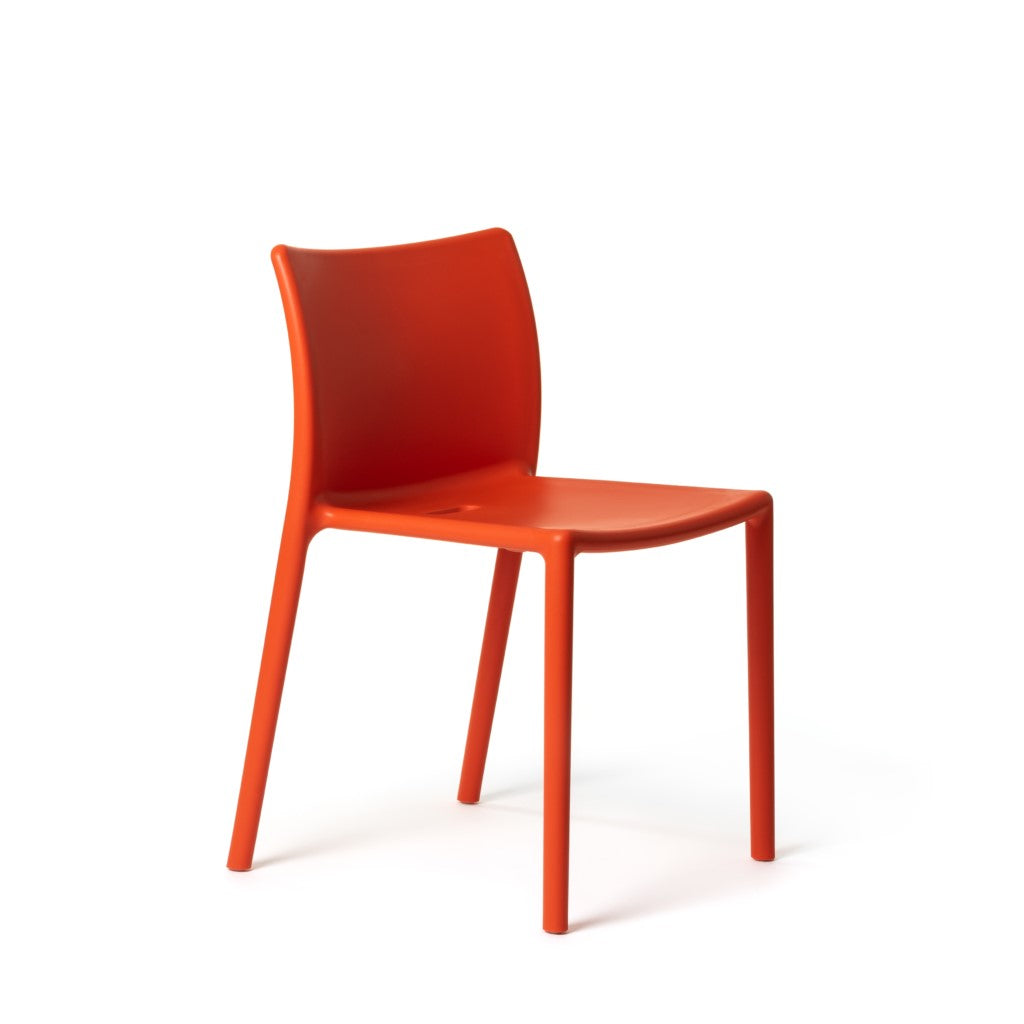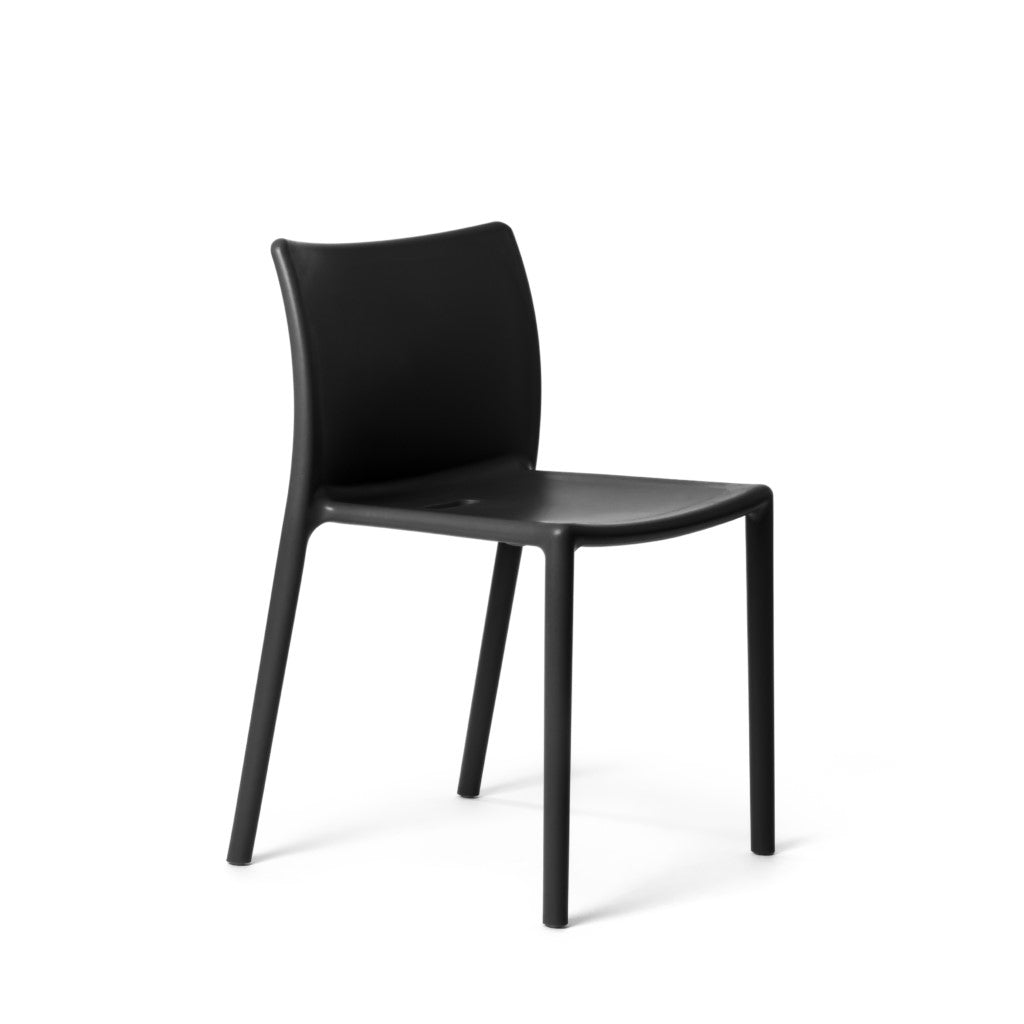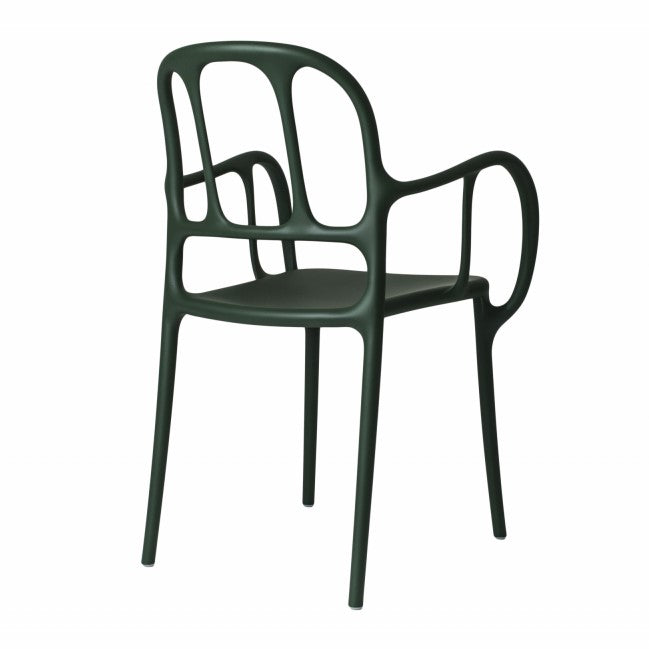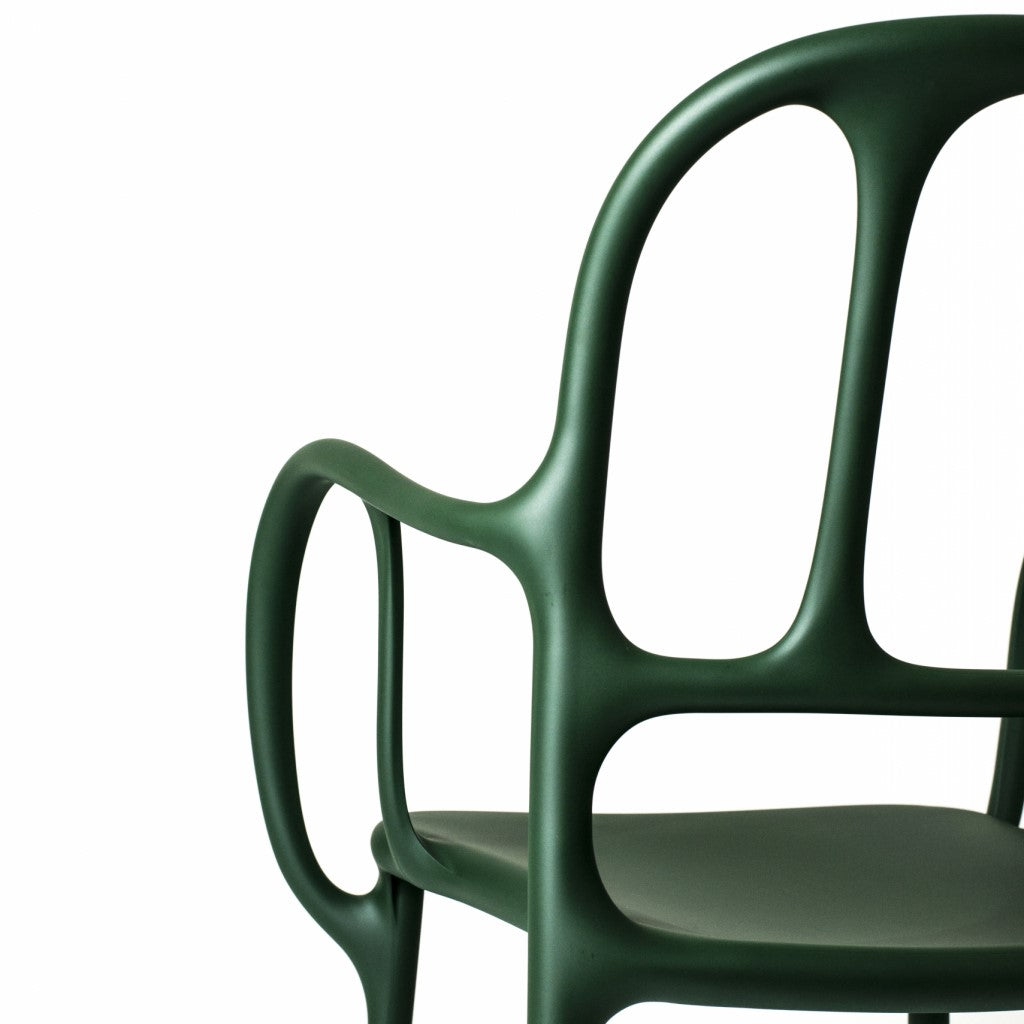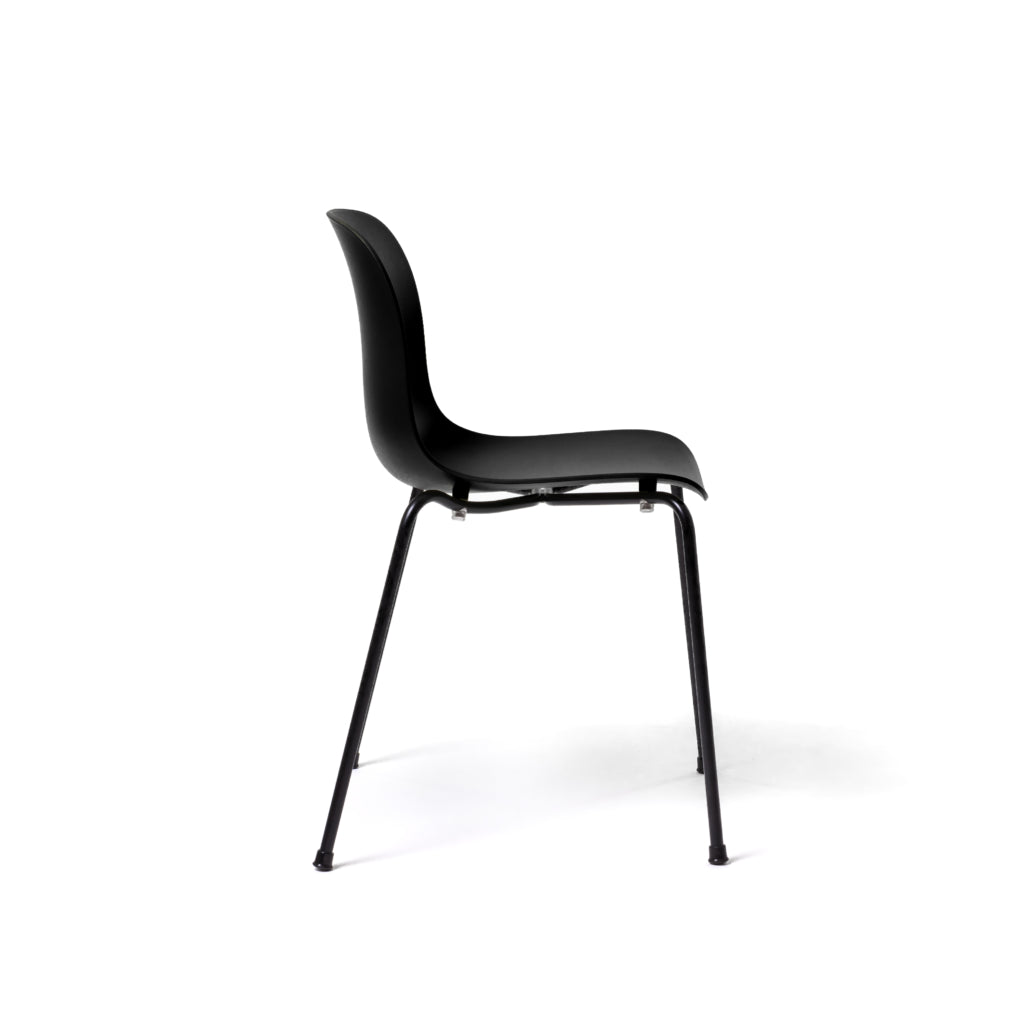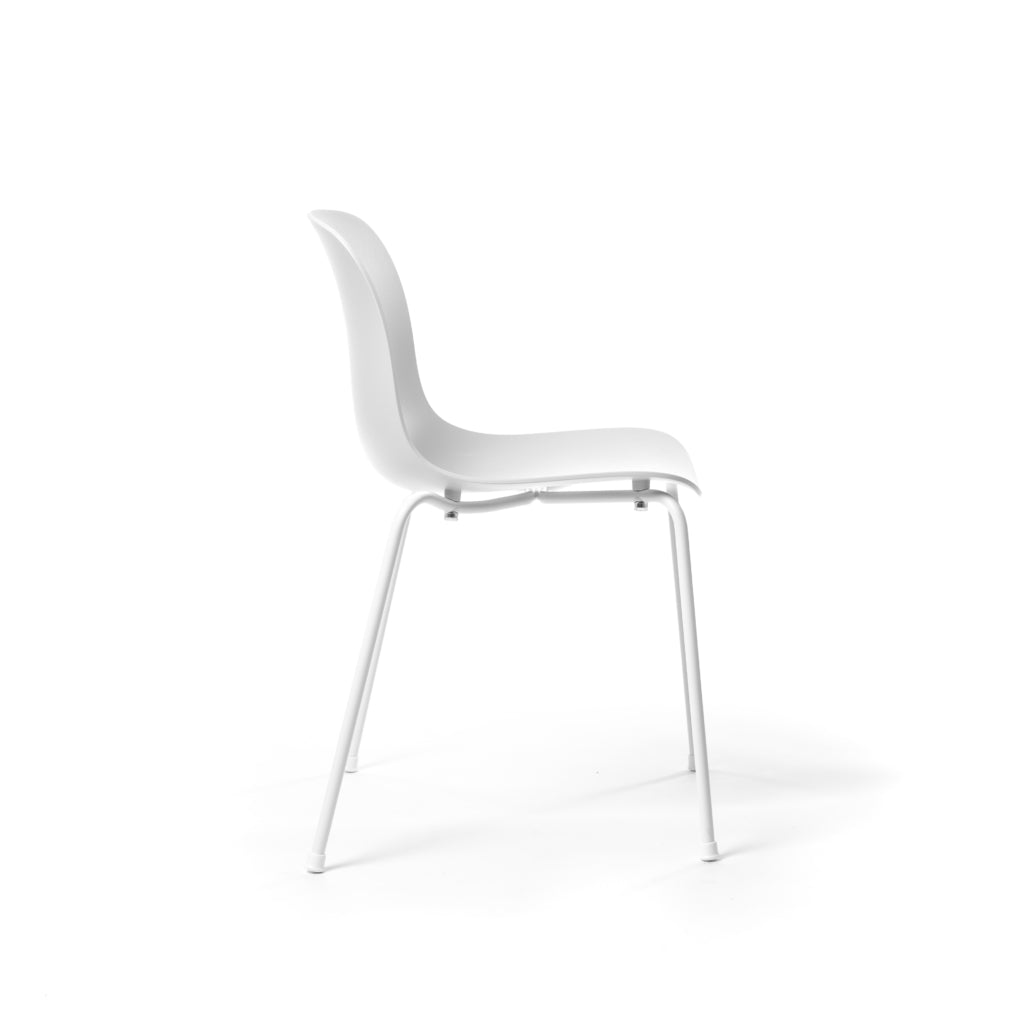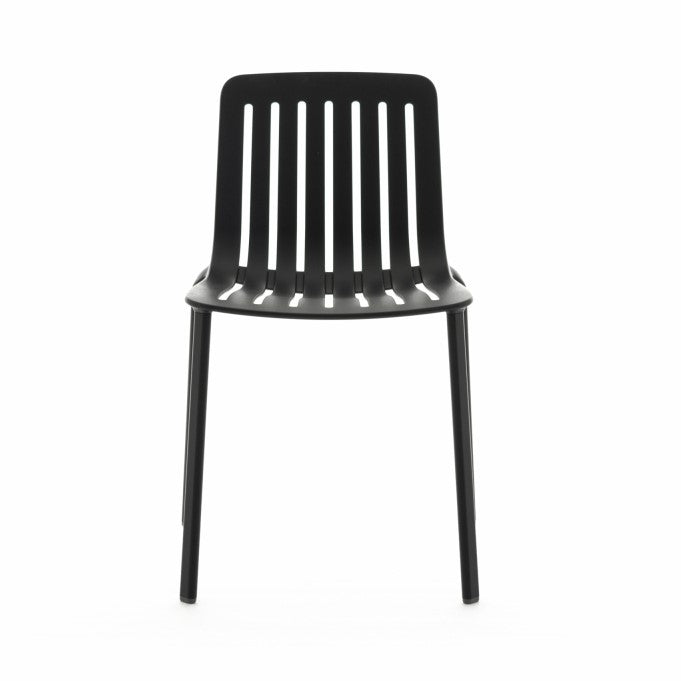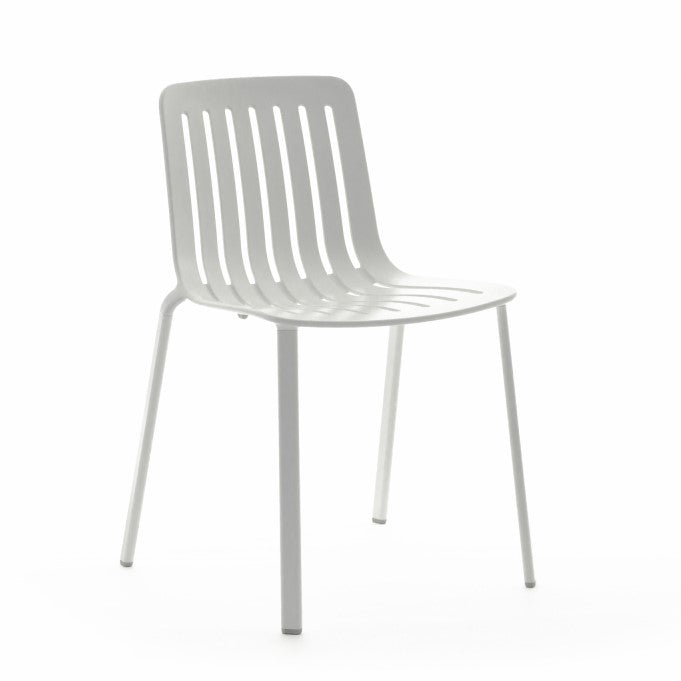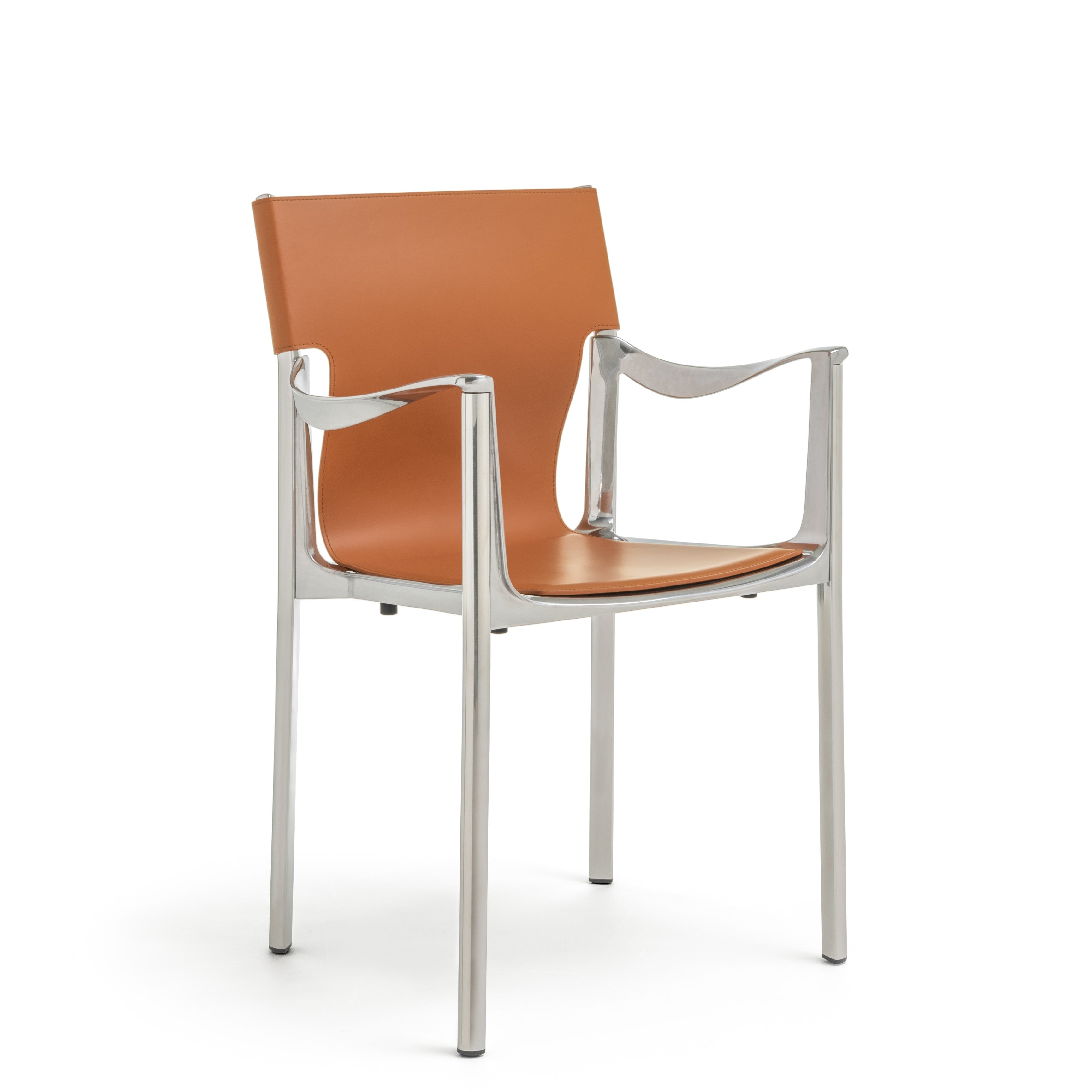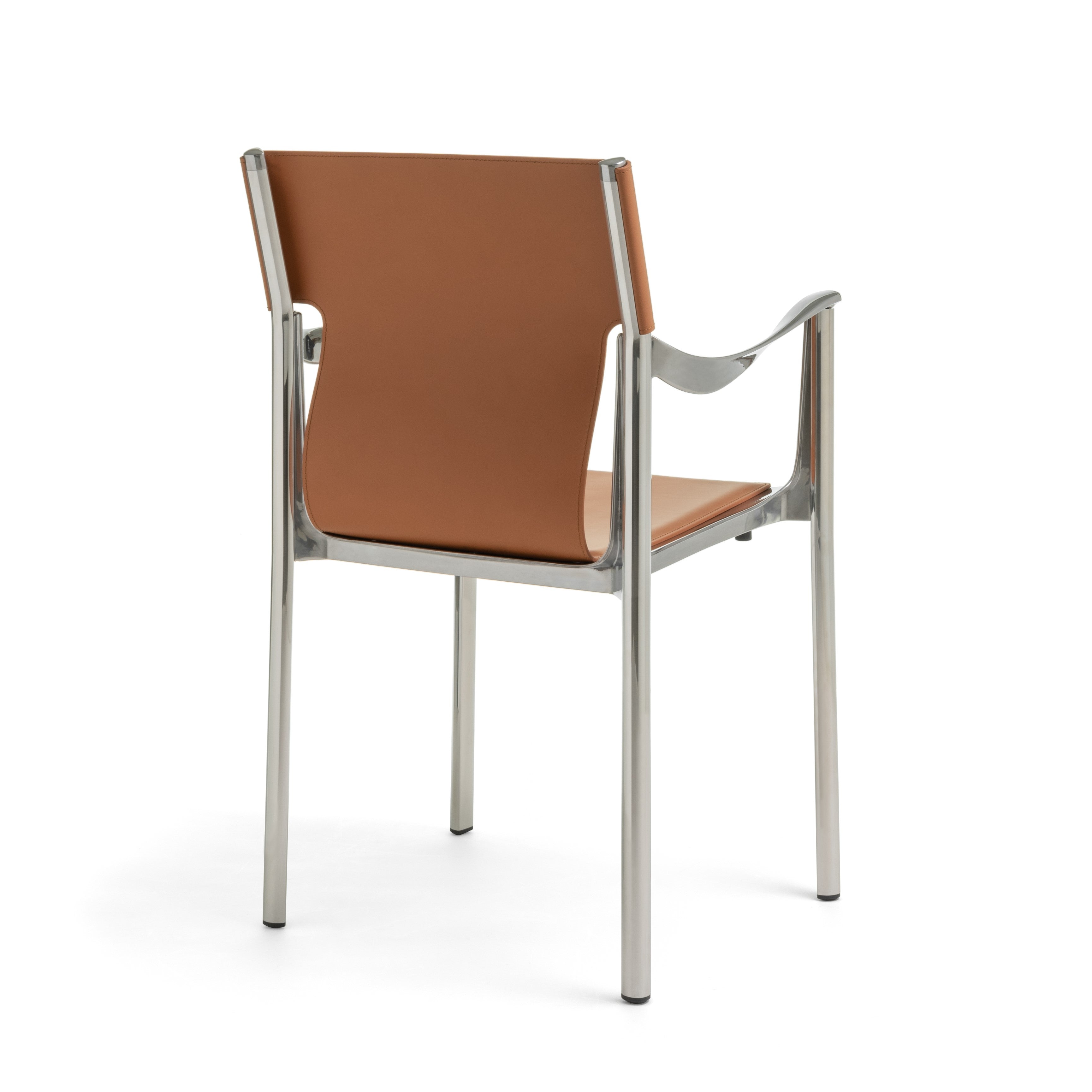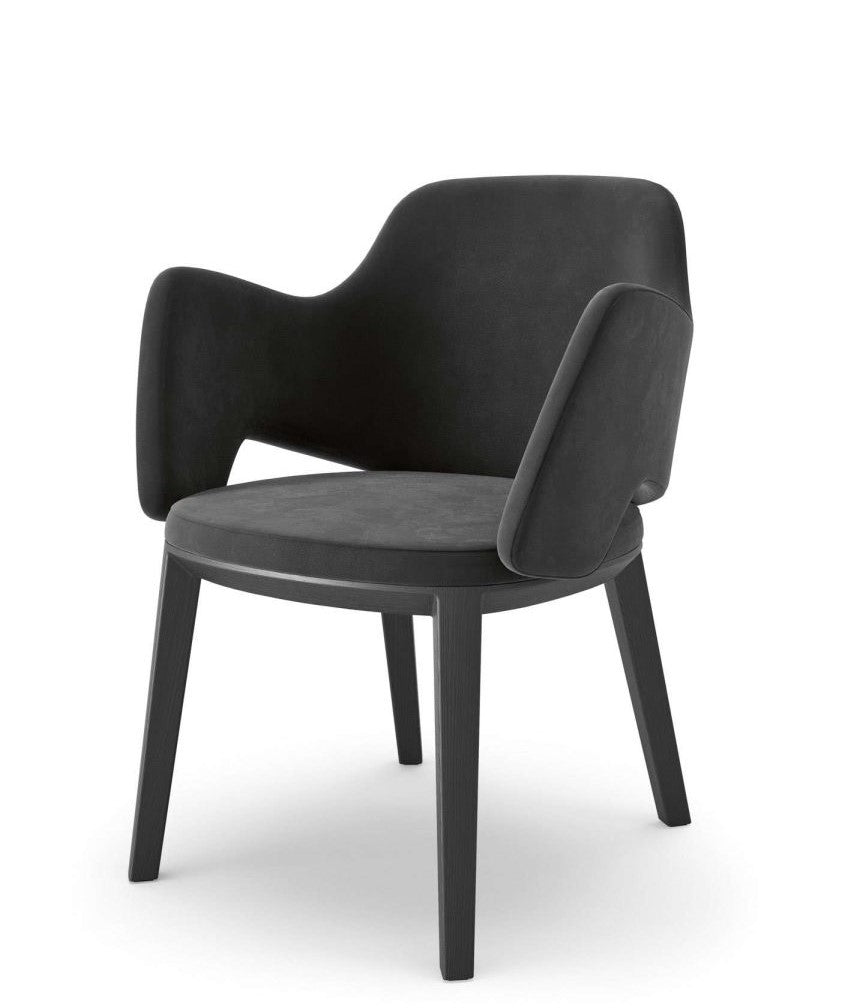
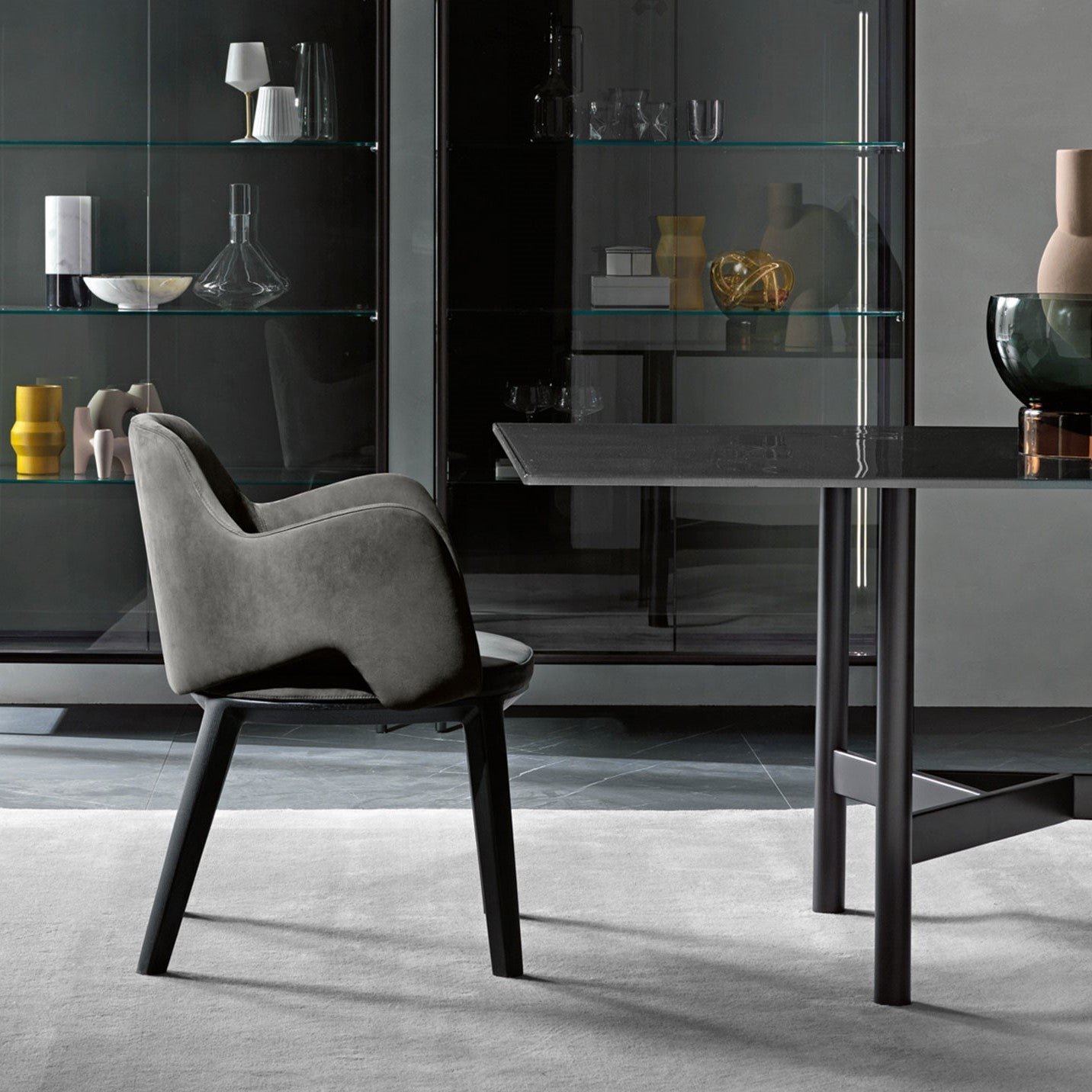
Magis Steelwood Chair by designer Ronan & Erwan Bouroullec for Magis
Magis Steelwood, steel and wood chair with arms. Year of production: 2008. Material: seat and legs in solid beech, natural or painted. Frame in steel plate painted in epoxy resin. Magis included Steelwood in the exhibition Café Intramuros by Chantal Hamaide, which took place on the occasion of the September edition of the fair Now! Design à vivre of Paris. This time Café Intramuros moved to outdoor to show the works both for indoor and outdoor by six worldwide renowned designers, among them the Bouroullec brothers who have been collaborating with Magis for several years. On display for Magis at Café Intramuros the Steelwood Chairs belonging to the Steelwood Family by Ronan and Erwan Bourollec, which is having a good success on the international market.

Back to Magis Furniture
Steelwood Chair
Height 30"
Width 22"
Depth 18"
Seat Height 18"
Ronan and Erwan Bouroullec
Ronan and Erwan Bouroullec were born in Quimper, respectively in 1971 and 1976.
As soon as he graduated from the «Ecole Nationale des Arts Décoratifs», Ronan began working alone, progressively assisted by Erwan, still a student at the «Ecole des Beaux-Arts» of Cergy Pontoise. The two brothers have been working together since 1999. Their collaboration is a constant dialogue, nourished by their single identities and strived towards a common goal.
They met Giulio Cappellini in 1997, while showing the Disintegrated Kitchen at the Salon du Meuble in Paris. This was the starting point of a regular cooperation that gave birth to various projects as of 1999. In 2000, Issey Miyake commissioned them for a shop in Paris, dedicated to his new collection A-Poc. The very same year, they met Rolf Felhbaum, Chairman of Vitra, and began working on a new Office Furniture System called Joyn and edited in 2002. This recent project opened the way for further collaboration.
Today, Ronan and Erwan Bouroullec work together with numerous manufacturers such as Vitra, Cappellini, Issey Miyake, Magis, Ligne Roset, Habitat and the Kréo Gallery. At the same time, they realize some architecture projects, like the «Floating House», an artist Studio under construction, commissioned by Le centre d'Art de Chatou.
Named Creator of the Year at the Salon du Meuble in Paris, 2002, they won multiple awards like the New Designer Awards of the International Furniture Fair of New York in 1999, le Grand Prix du Design de la Ville de Paris in 1998 and the First Prize of Saint-Etienne Biennale in 1998. In 2003, they were elected designer of the year by Elle Decoration, Japan.
Their creations have been exhibited in many collective or solo exhibitions like Ronan and Erwan Bouroullec in the London Design Museum in 2002. In June 2004, a new solo exhibition will take place at the Museum of Contemporary Art in Los Angeles.
Ronan and Erwan Bouroullec's designs are part of some permanent museum collections including New York Museum of Modern Art, the Musée National d'Art Moderne- Centre Georges Pompidol in Paris, the London Design Museum, the Lisbon Design Museum and the Boijmans van Beuningen Museum of Rotterdam..
After the first publication dedicated to them «Ronan et Erwan Bouroullec - Catalogue de raison», Editions Images Modernes / Kréo, 2002, they designed themselves a new book: «Ronan et Erwan Bouroullec», edited by Phaidon in 2003.
Both brothers regularly take part in workshops of diverse Schools of Art or Design.
Ronan Bouroullec is professor at the Ecole Cantonale d'Art de Lausanne in Switzerland.
Magis History
Magis is the brand that has given a novel twist to domestic design, building its identity on incorporating leading edge technology into mass production. Founded in 1976 in the bustling north eastern corner of Italy by a newcomer to the furniture business, Eugenio Perazza, Magis is today a giant international design laboratory that constantly puts itself to the test, seeking technological sophistication and employing a highly diversified workforce.
Magis seizes the day. It embraces the creativity of leading global designers (Richard Sapper, Jasper Morrison, Stefano Giovannoni, Marc Newson, James Irvine, Konstantin Grcic, Ron Arad, the Bouroullecs and many others) and channels it towards objects perched on the cutting edge. The company even earned kudos from the trendsetter's bible, Wallpaper, which placed Perazza on top of its list of "Ten who will change the way we live".
Magis is 30 years old. Until a short while ago Magis was one of the few companies that manufactured objects in plastic. Today the number has increased considerably. Still, Magis uses the most advanced molding technologies and techniques; it was the first company in the world to apply air molding to aesthetical goods.
Plastic will remain Magis' reference material, although it is now experimenting with others such as die-cast aluminum, aluminum metal sheet and wood.
Magis is a company in perfect health because it has good projects to develop as well as good intellectual capital, which is the distinguishing feature of the company. Excellent designers, a good design team and an extraordinary supply chain. Magis is characterized by the multiplicity of its expressive languages, its search for a deep meaning of the project, and its ethics instead of aesthetics.
Magis takes three/four years to turn the idea of a project into a finished product. Magis faces projects, both difficult and complex, taking high risks. Projects are completed as long as they are supported by a high spirit of experimentation and elevated technical cleverness.
Magis works with very well-known designers, but it has always been open to work with young designers, even at the outset of their careers. Jean-Marie Massaud and Jerszy Seymour made their debut on the design scene thanks to the opportunities Magis gave them. Now Magis discovers new passions and punctually chases former design glories, adding them to the mix. There was the interlude with Charlotte Perriand, and new design chapters are being written with Robin Day, a genius of English design, Eero Aarnio, a genius of Finnish design and Pierre Paulin, a genius of French design.
It is the price to pay for success. To reduce the possibility to be copied the entrance barrier needs to be elevated greatly. One will have to do complex projects with inventive loftiness and considerable engineering investments, and make moulds and equipment with high technical performance (technique is the ability of a company to make technology work). A qualitative distribution should too play an important role against copies selecting design-oriented companies and keeping me-too-oriented ones out.
|