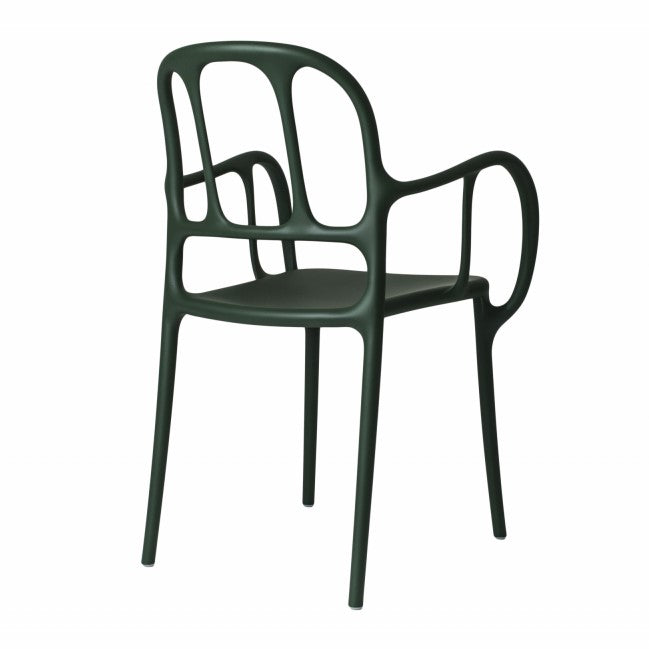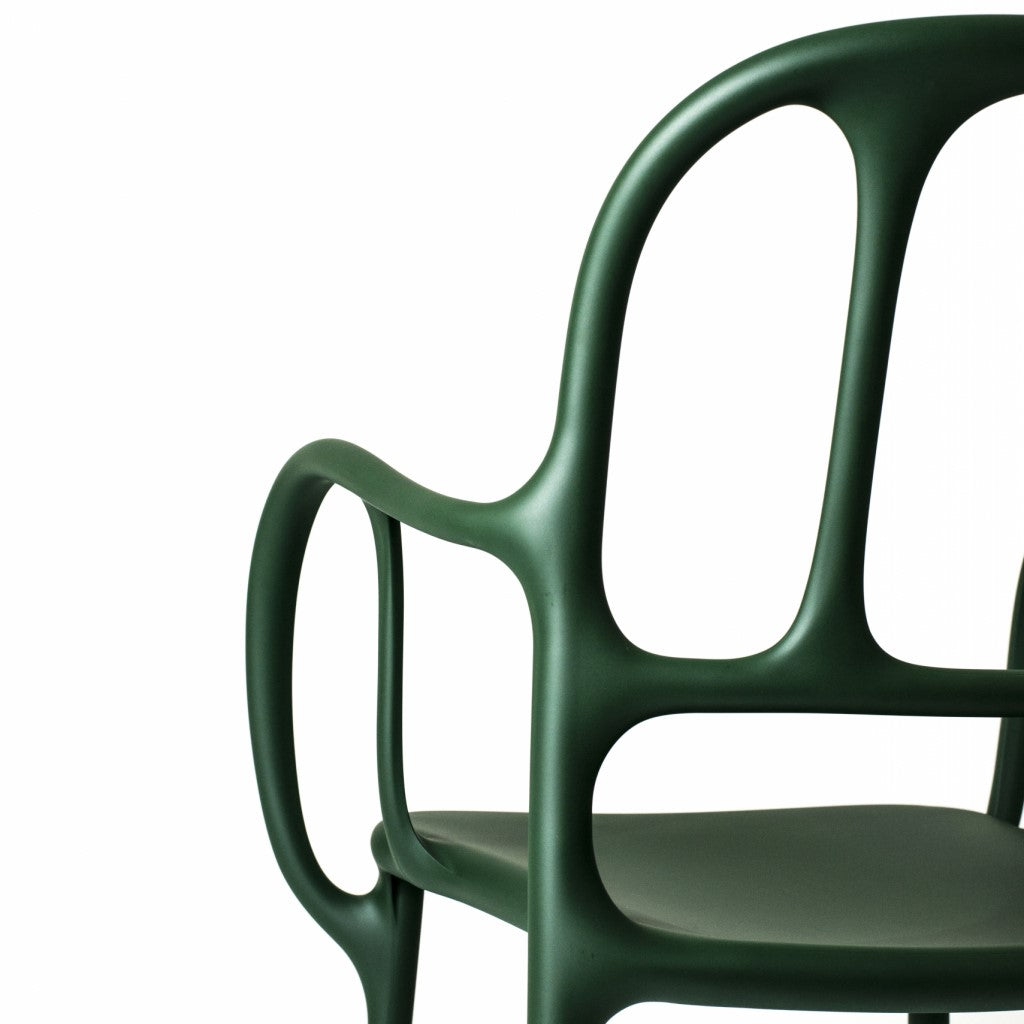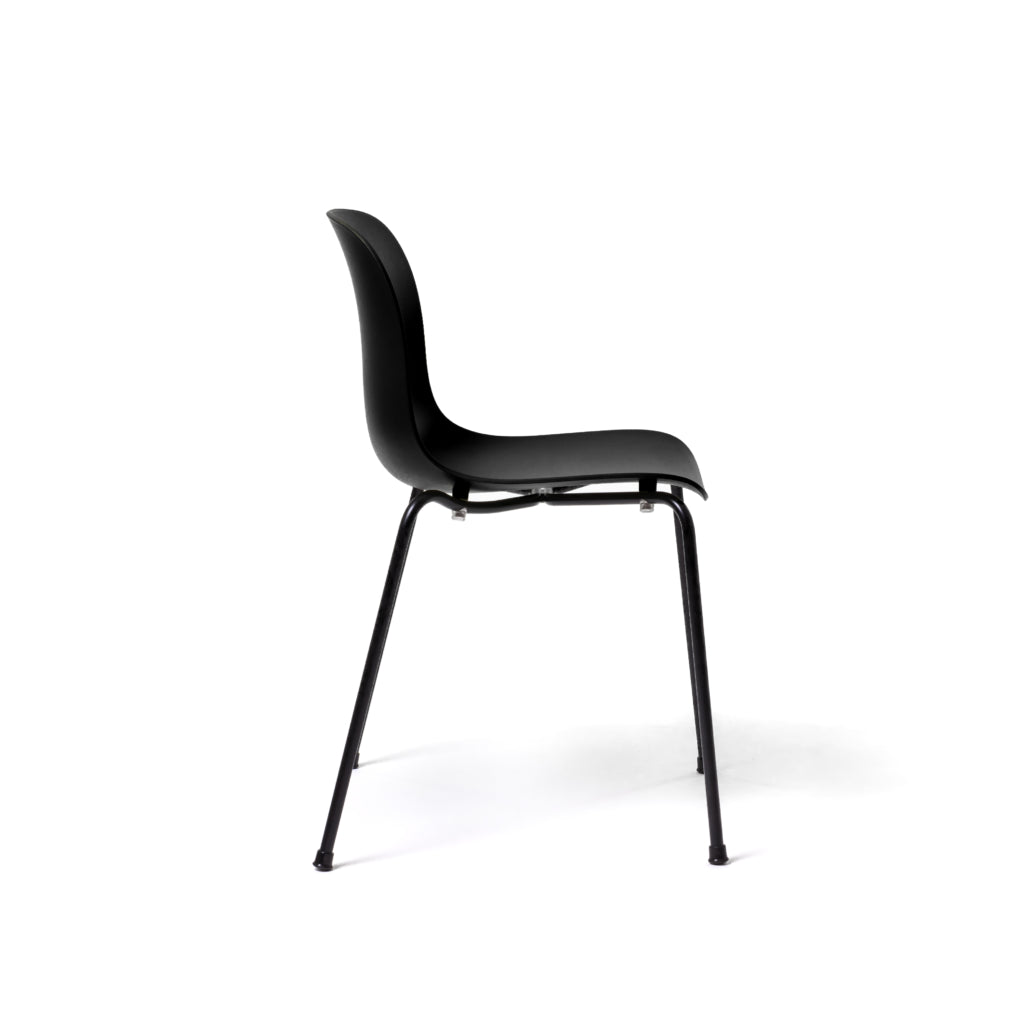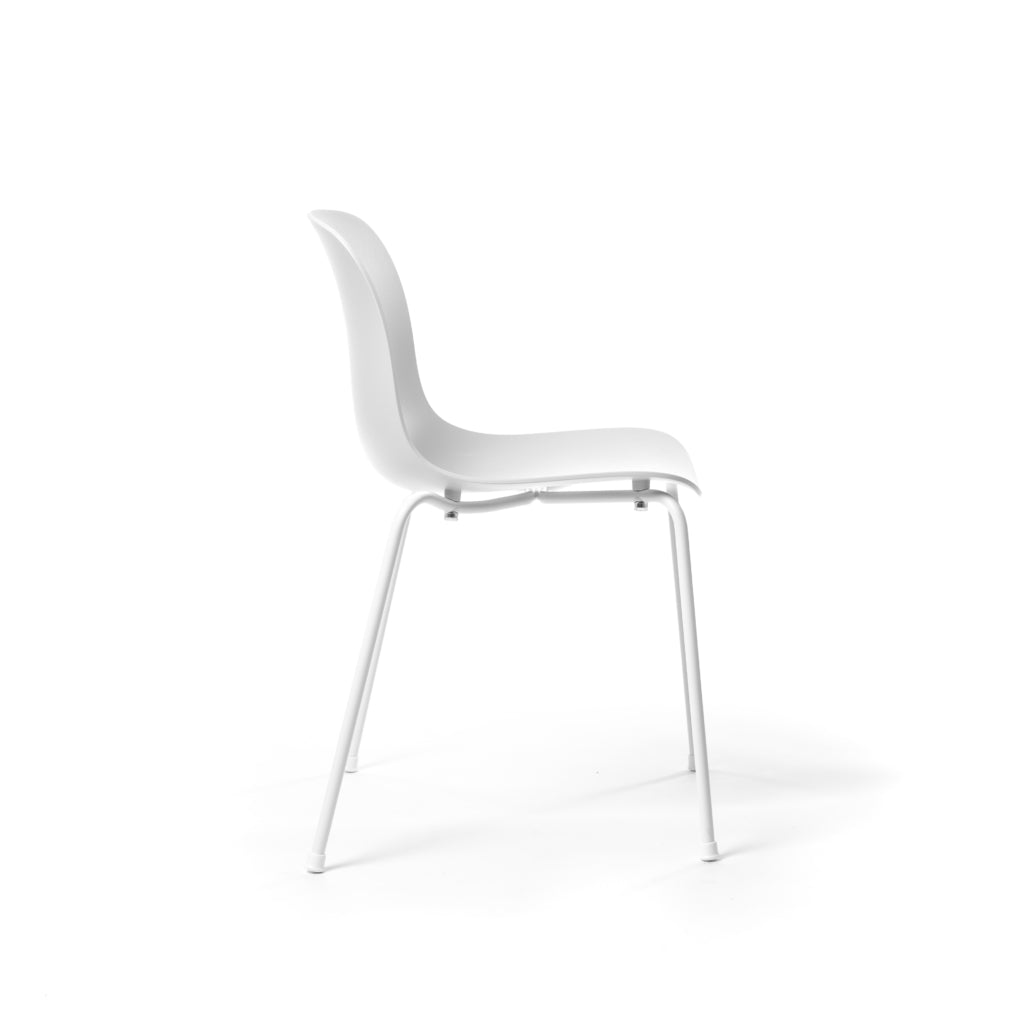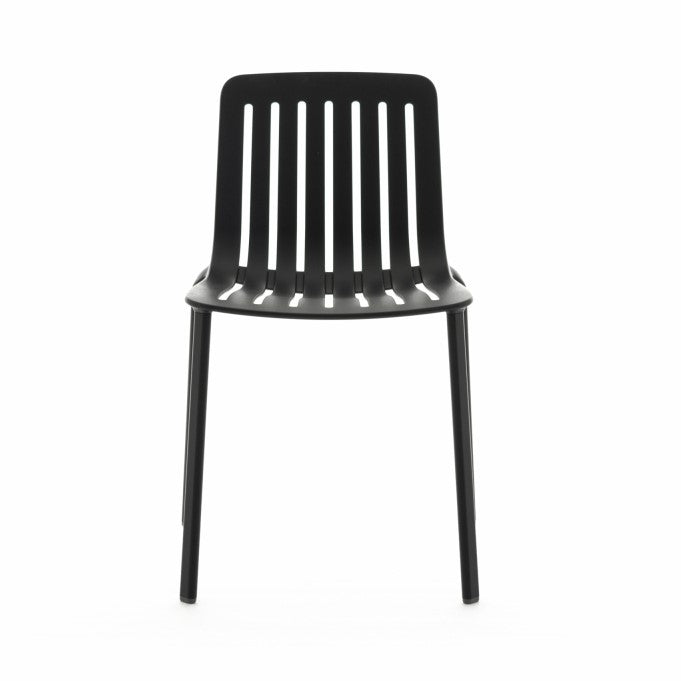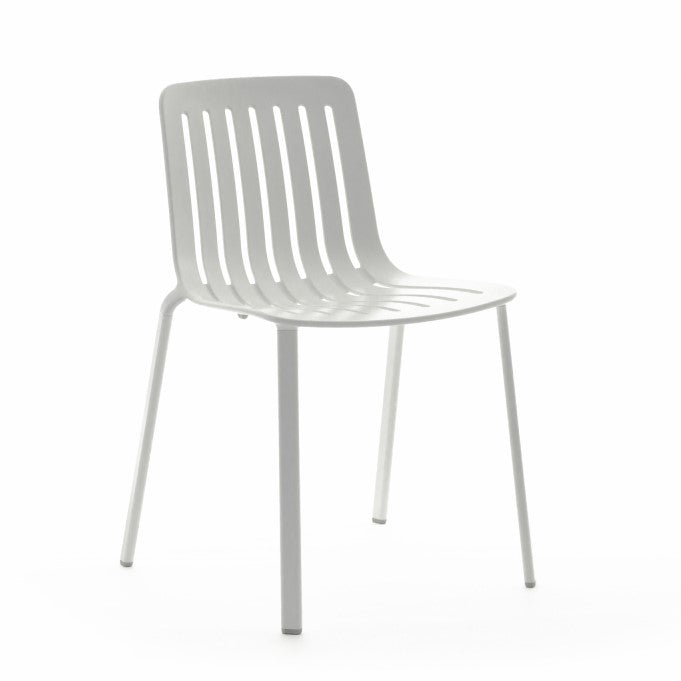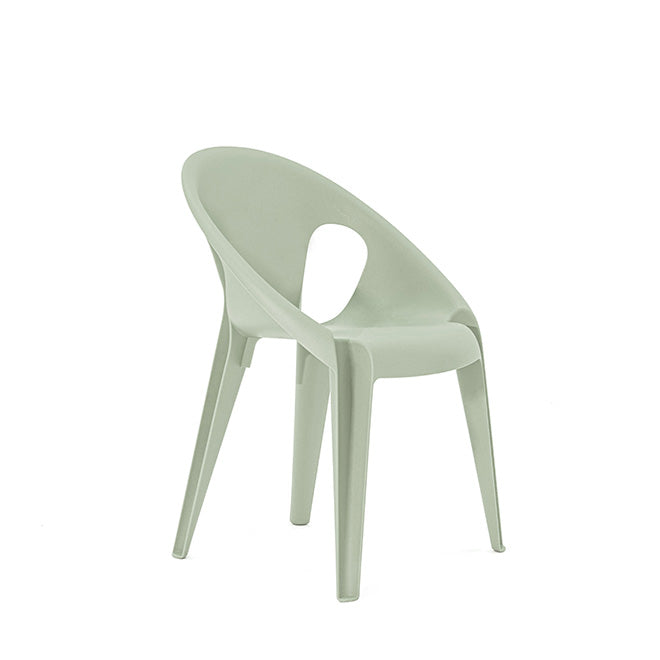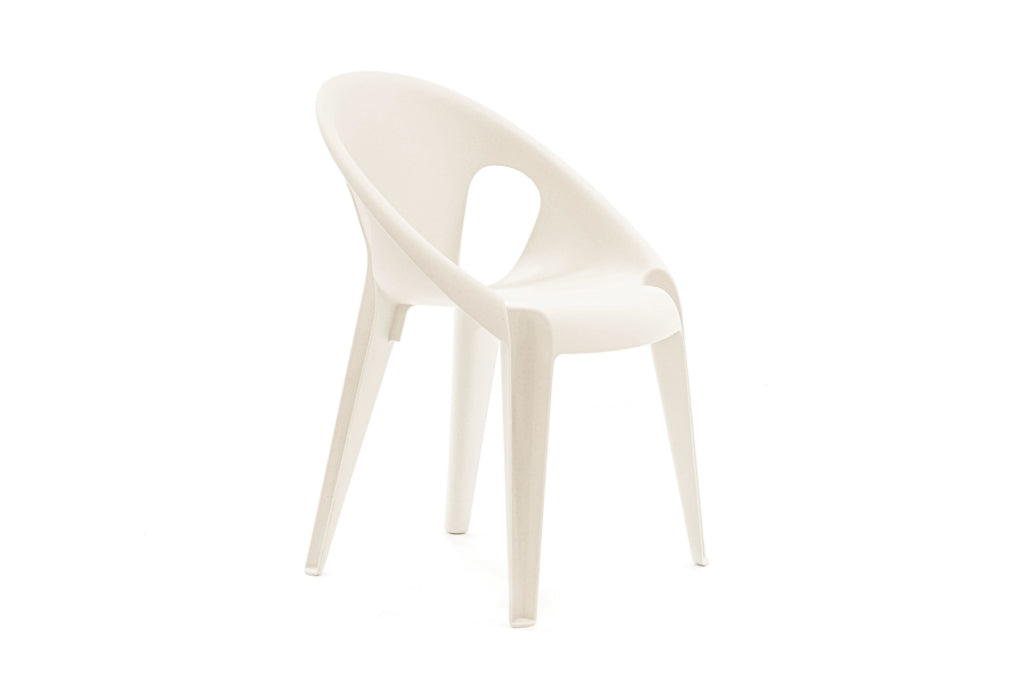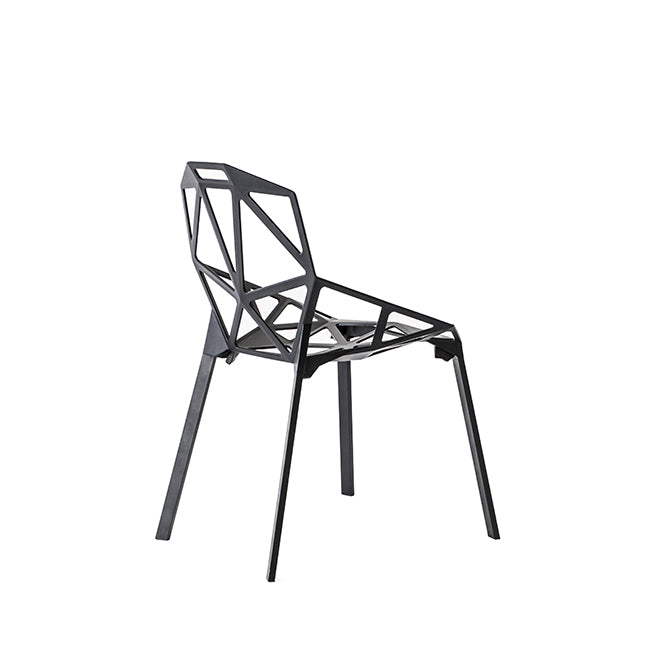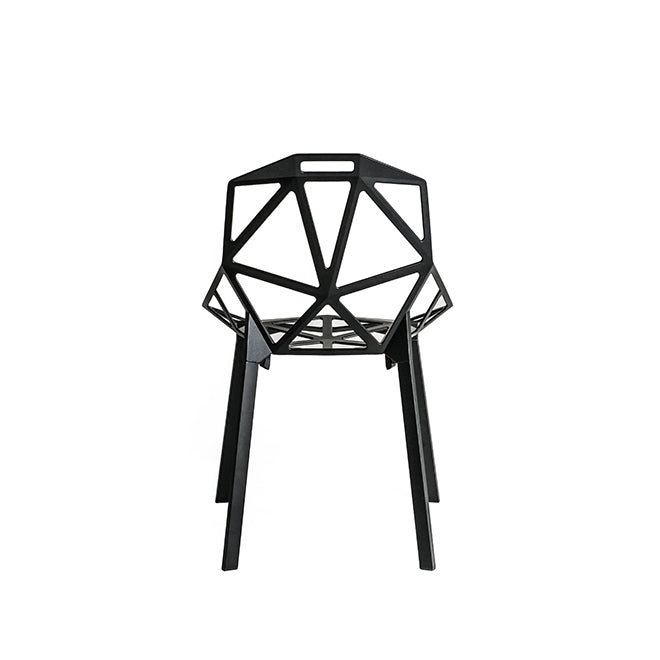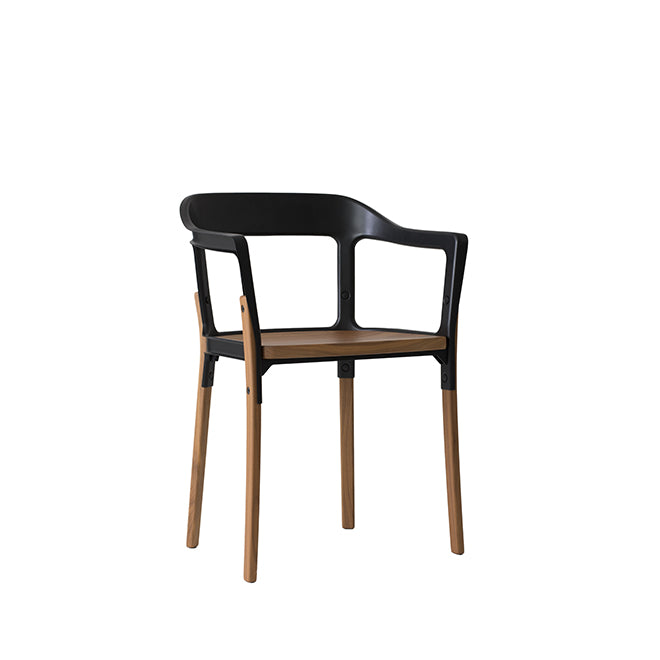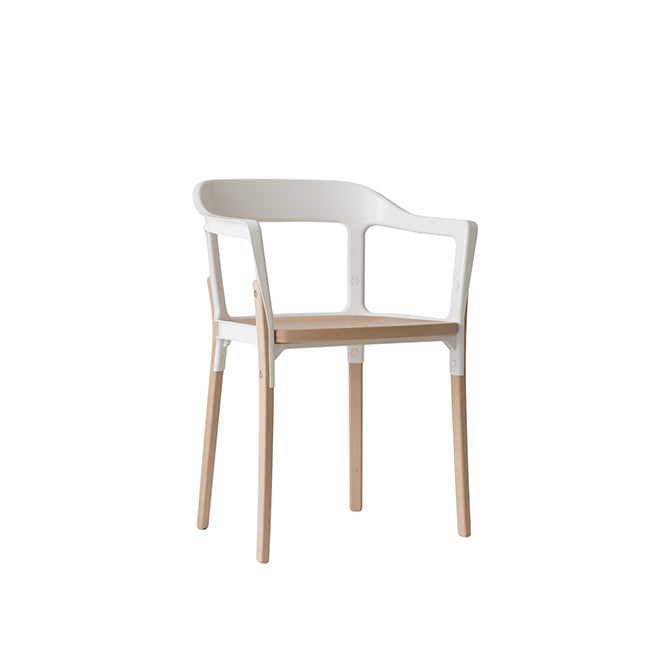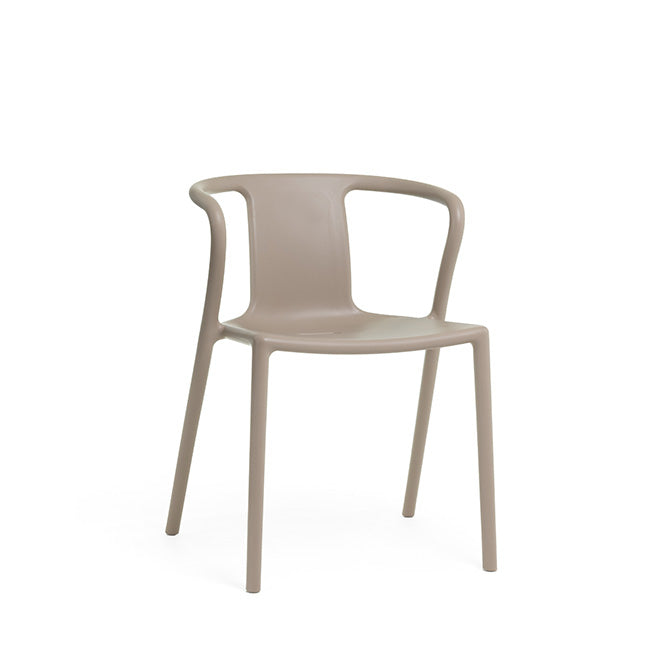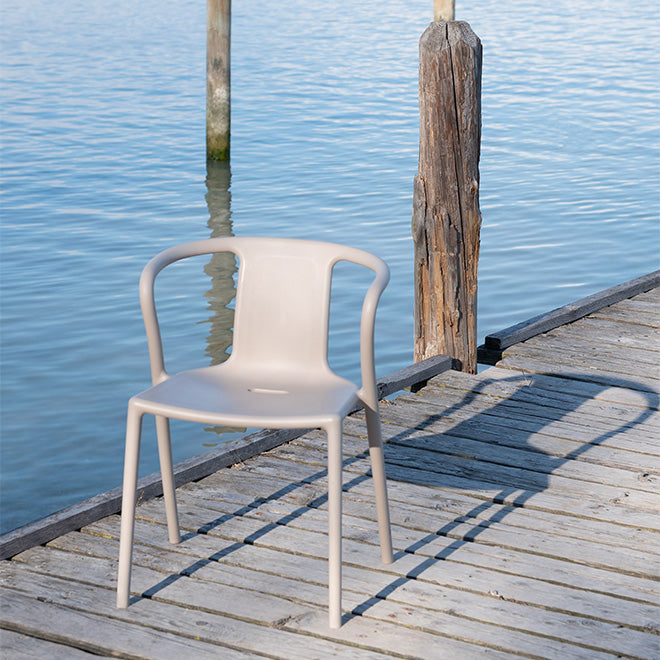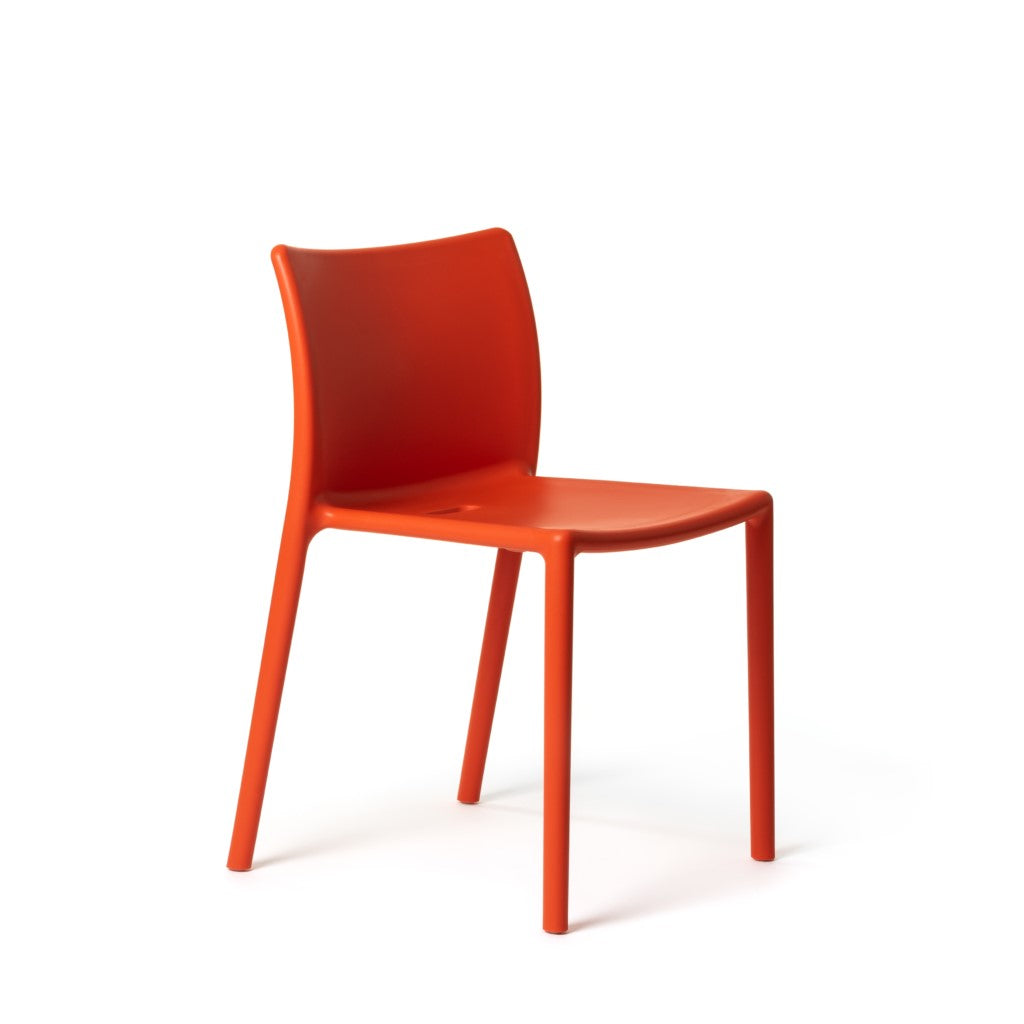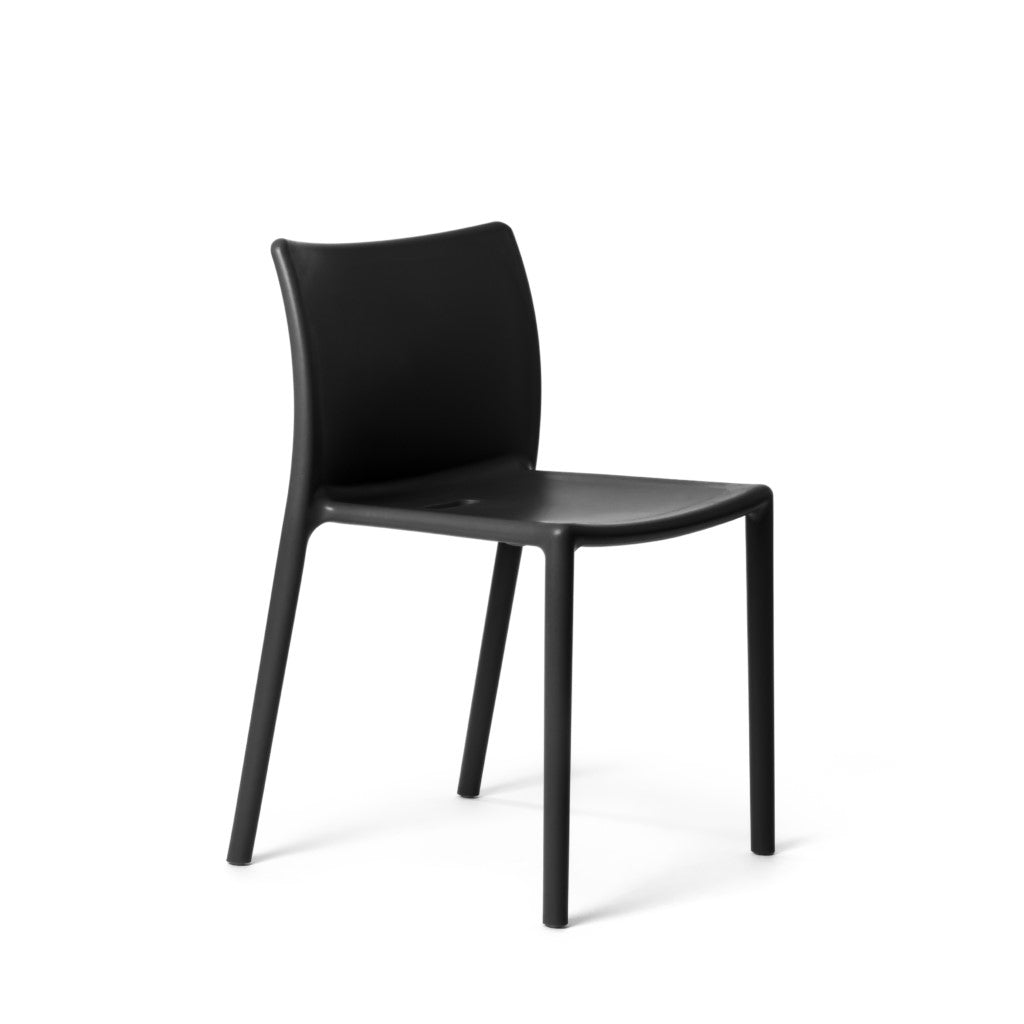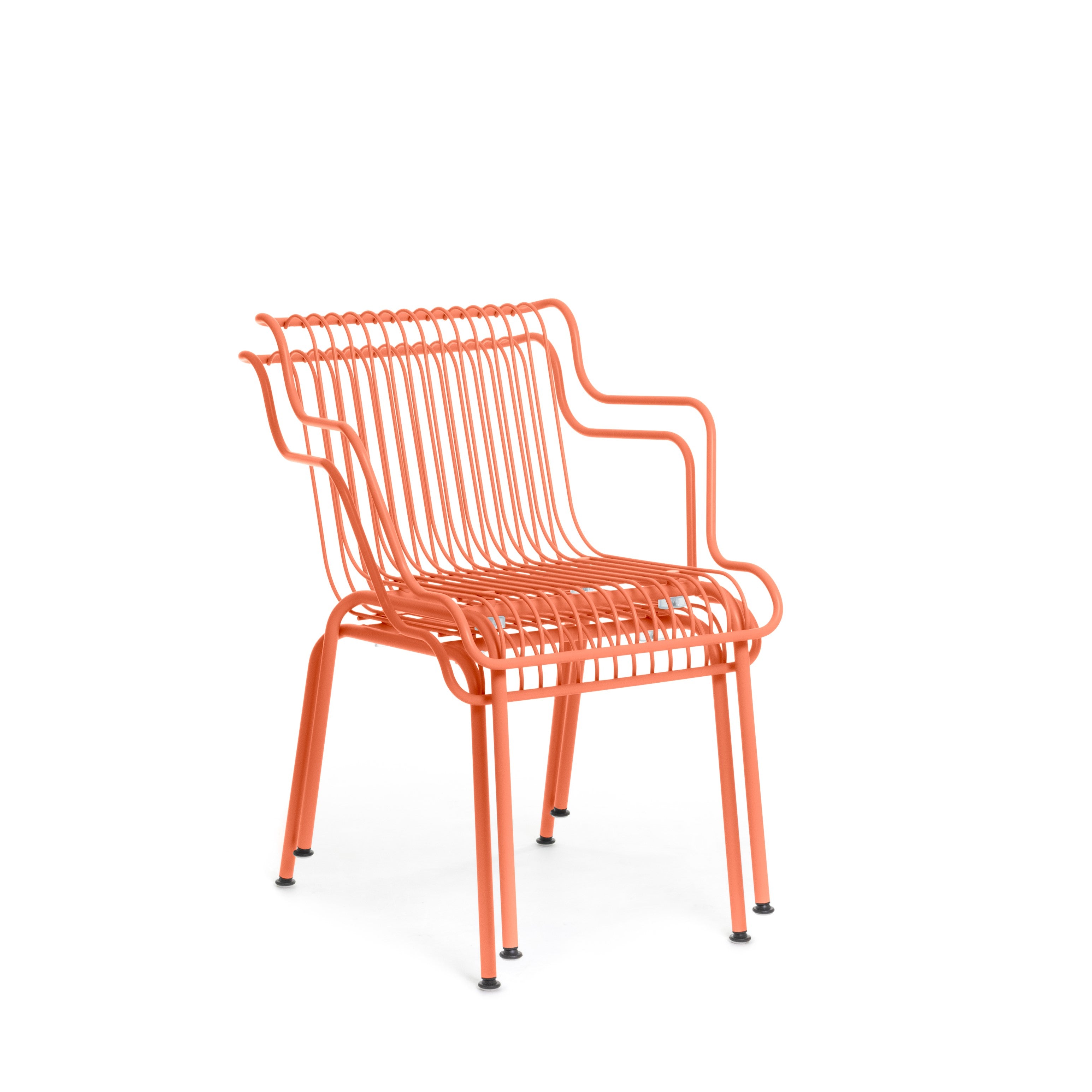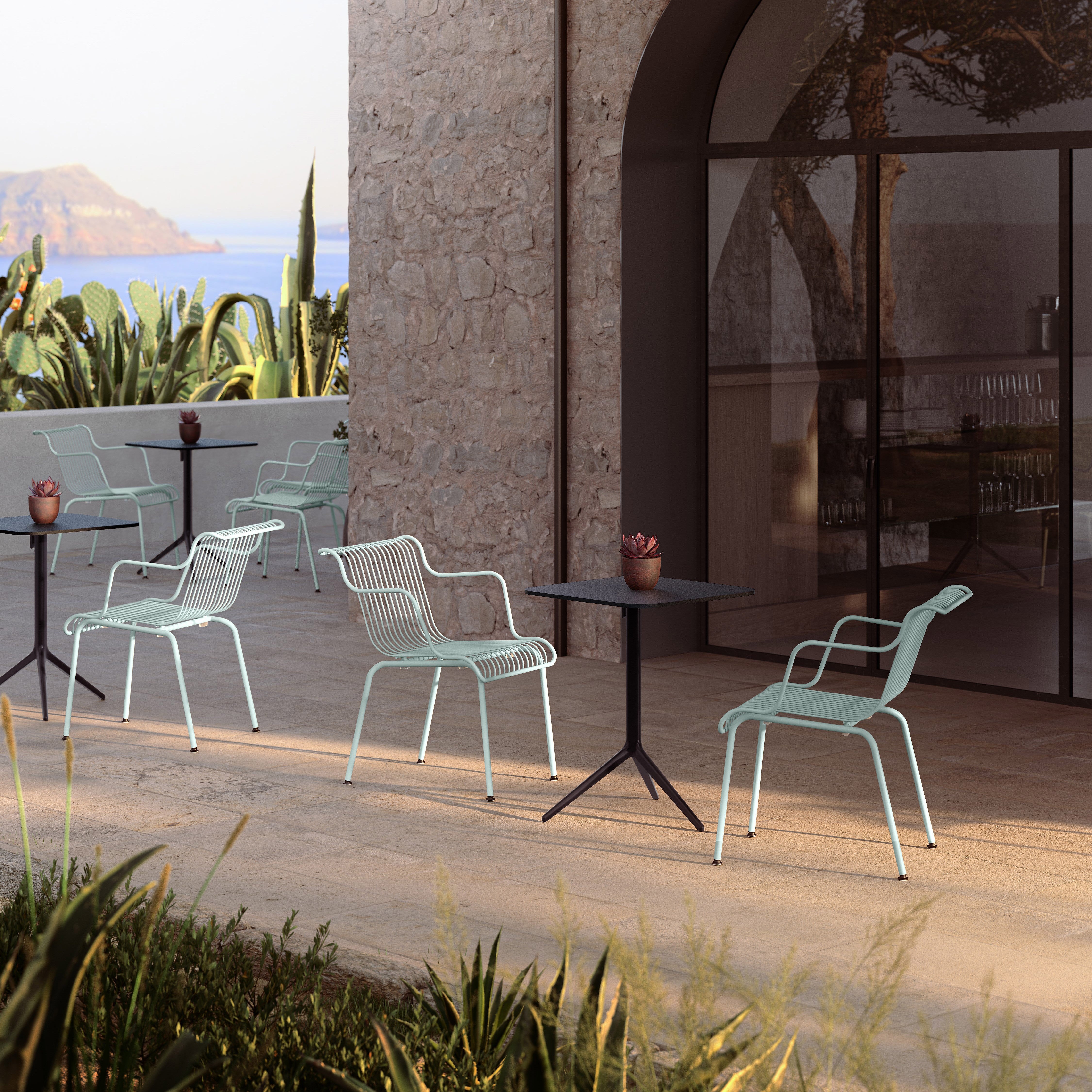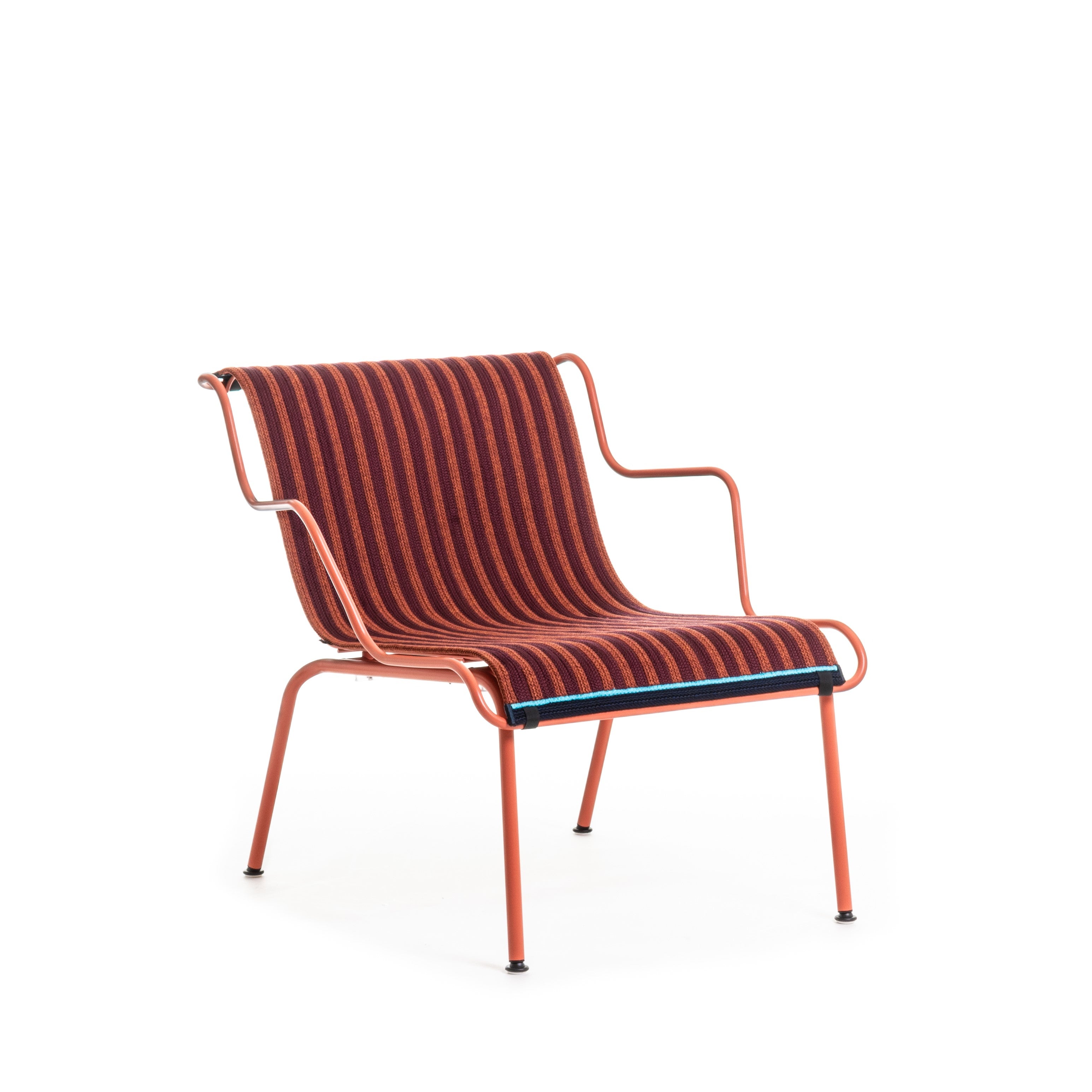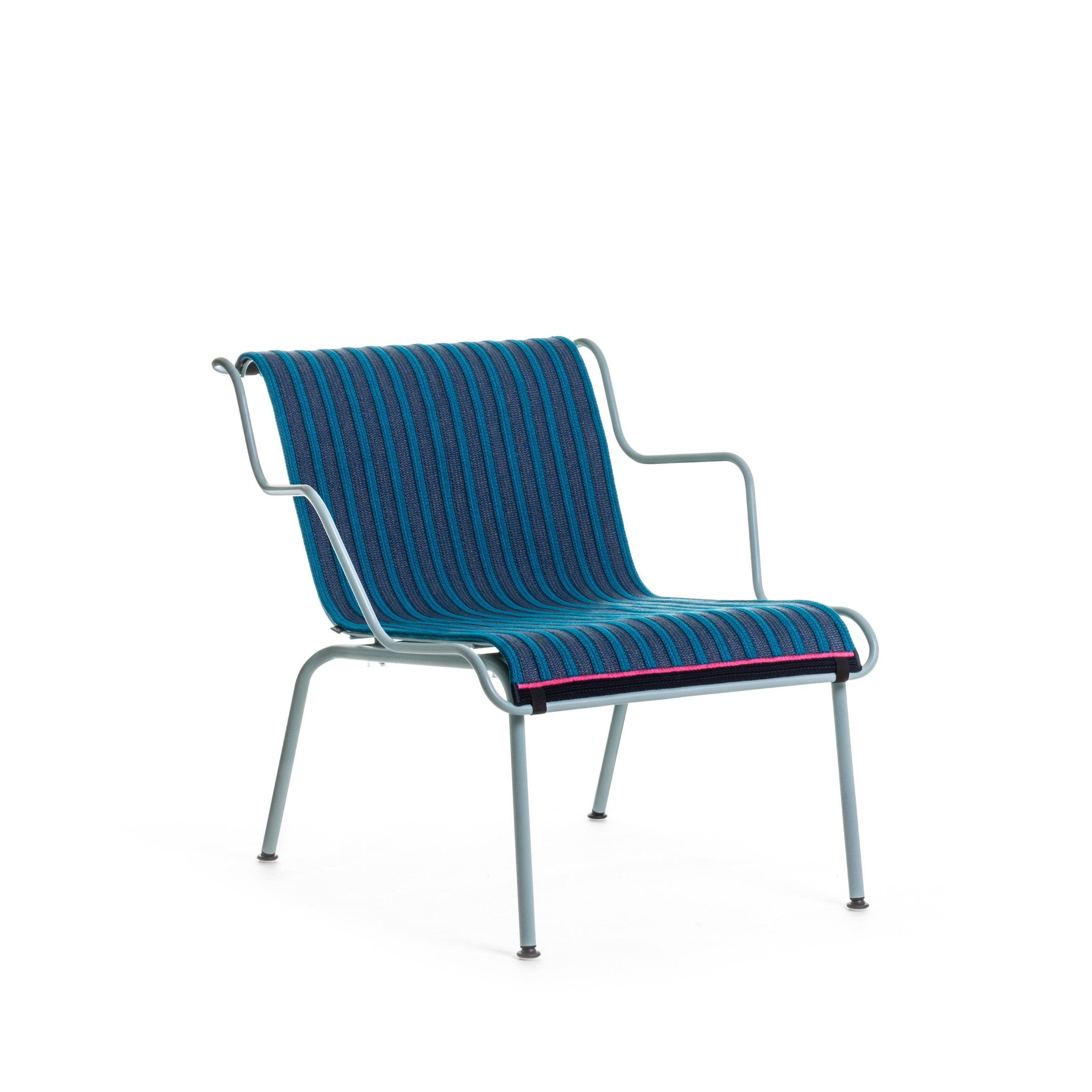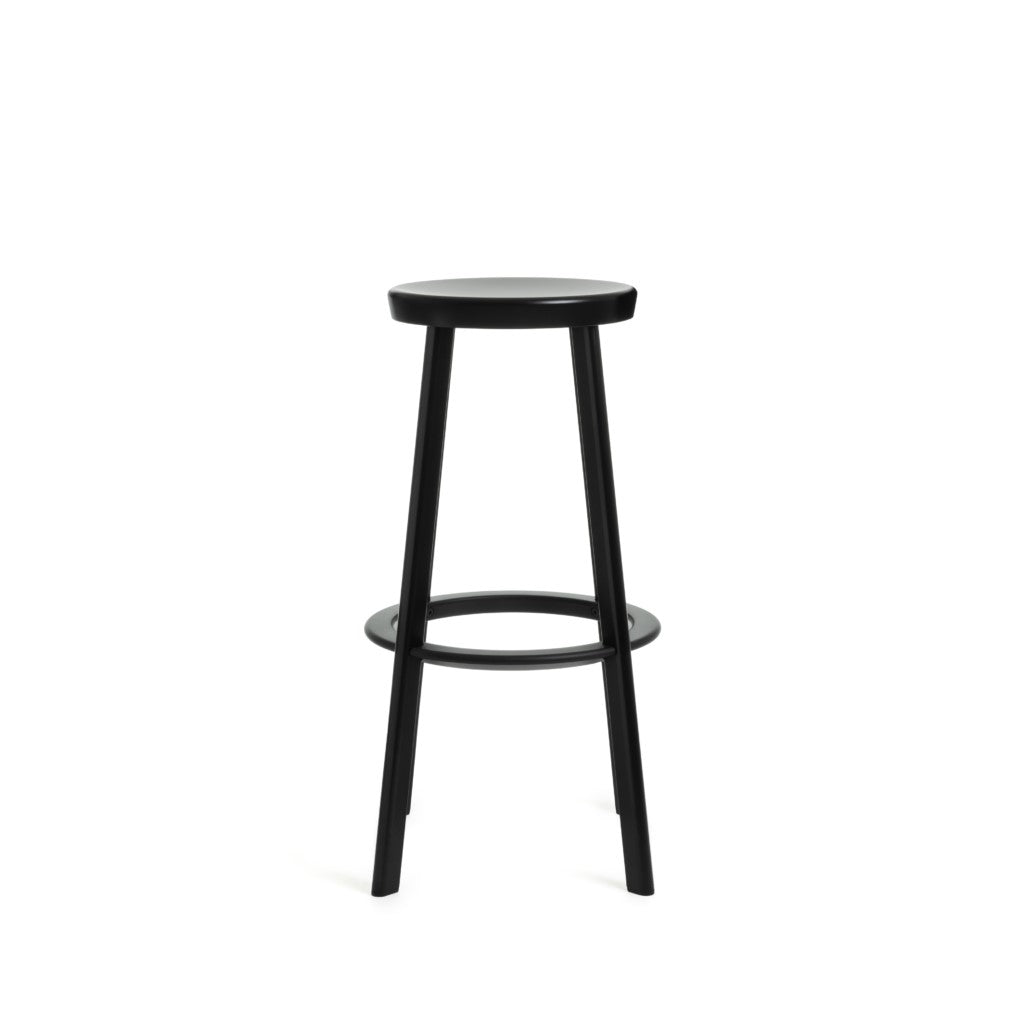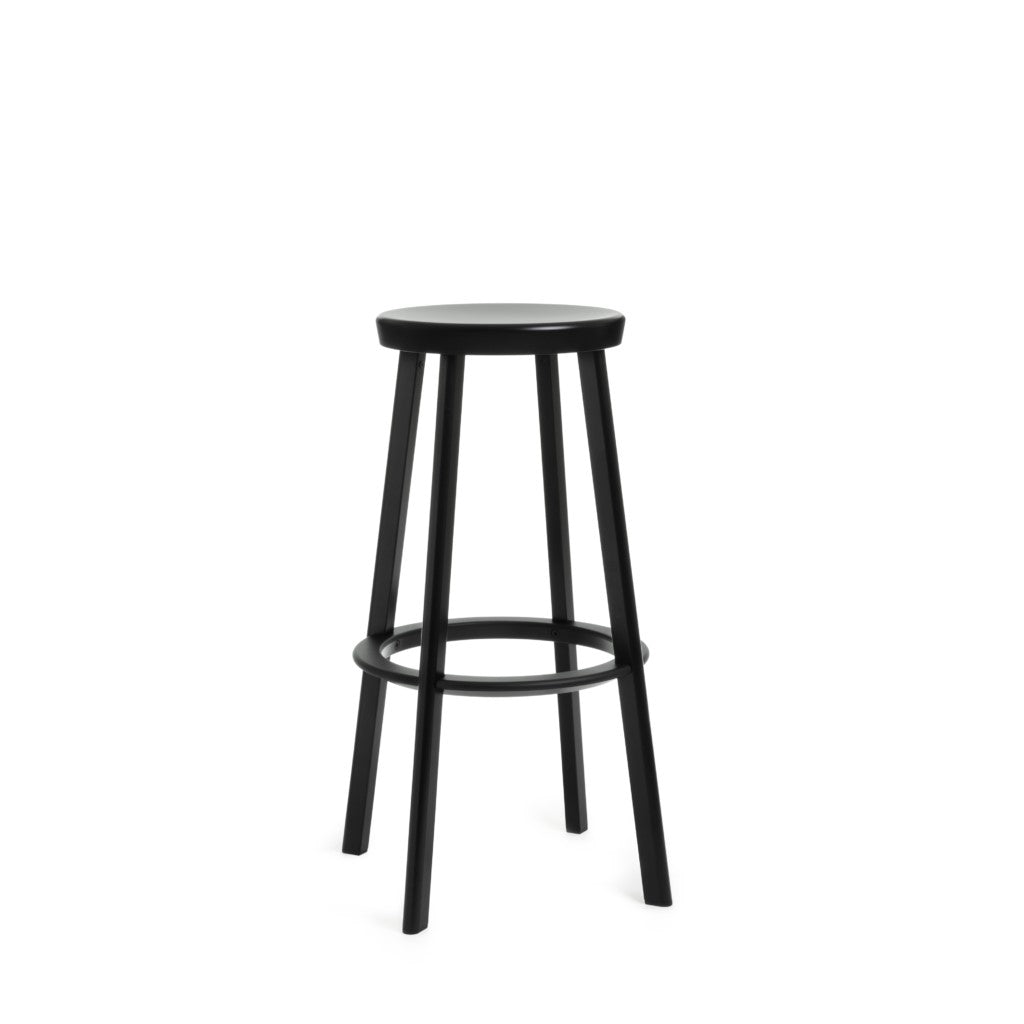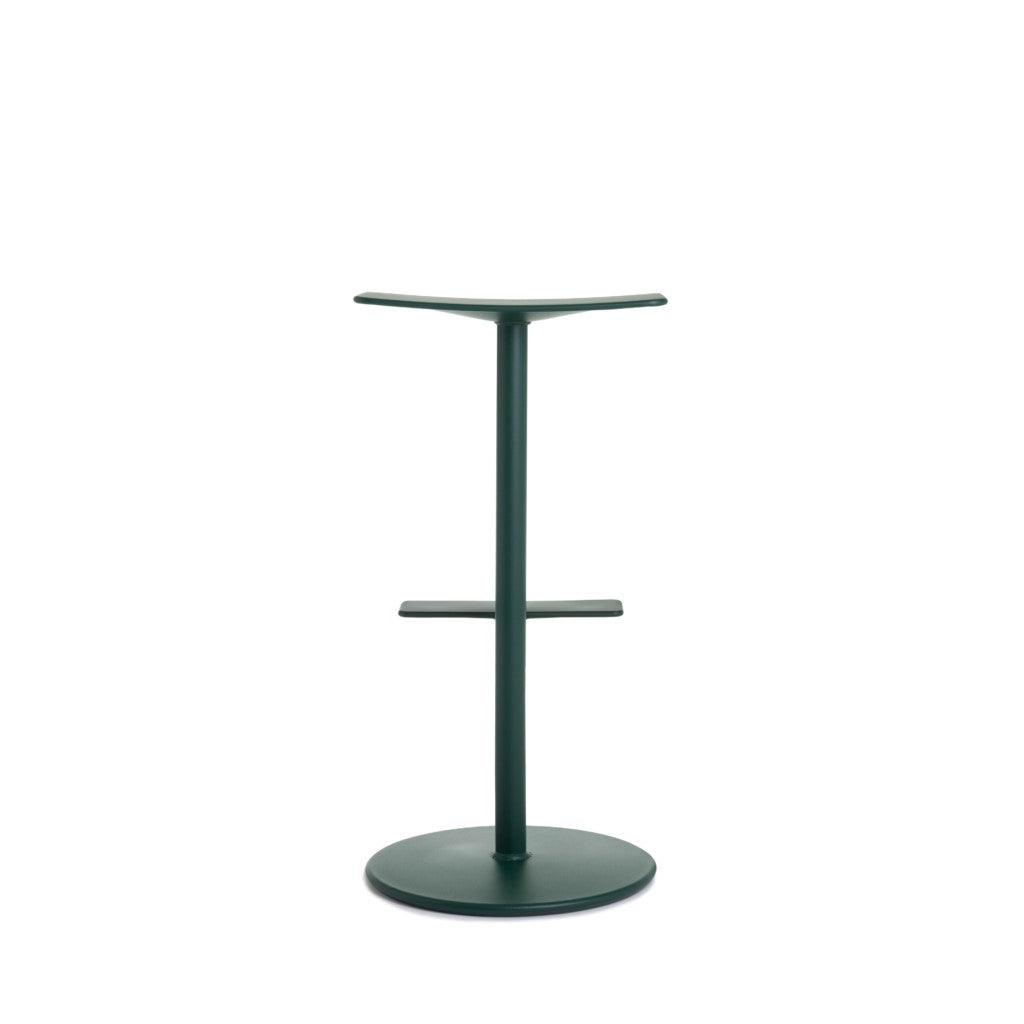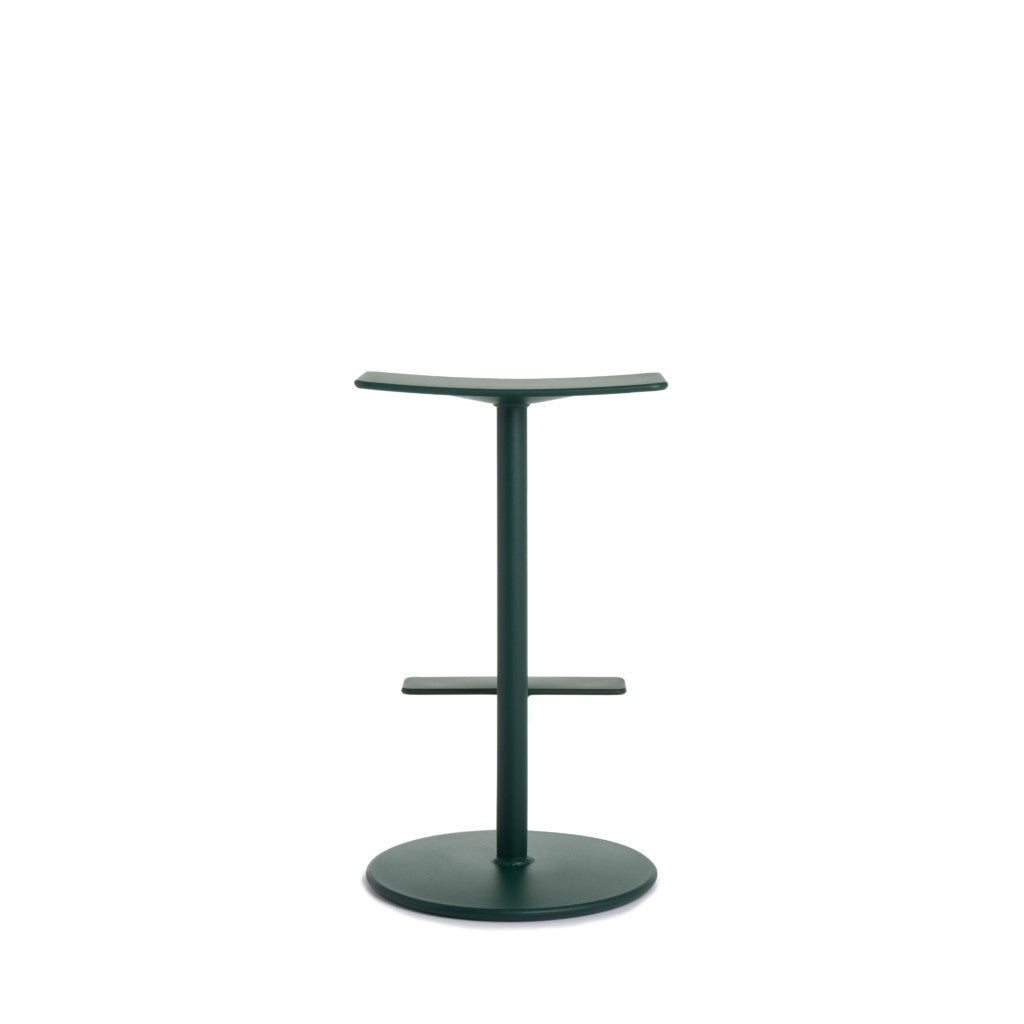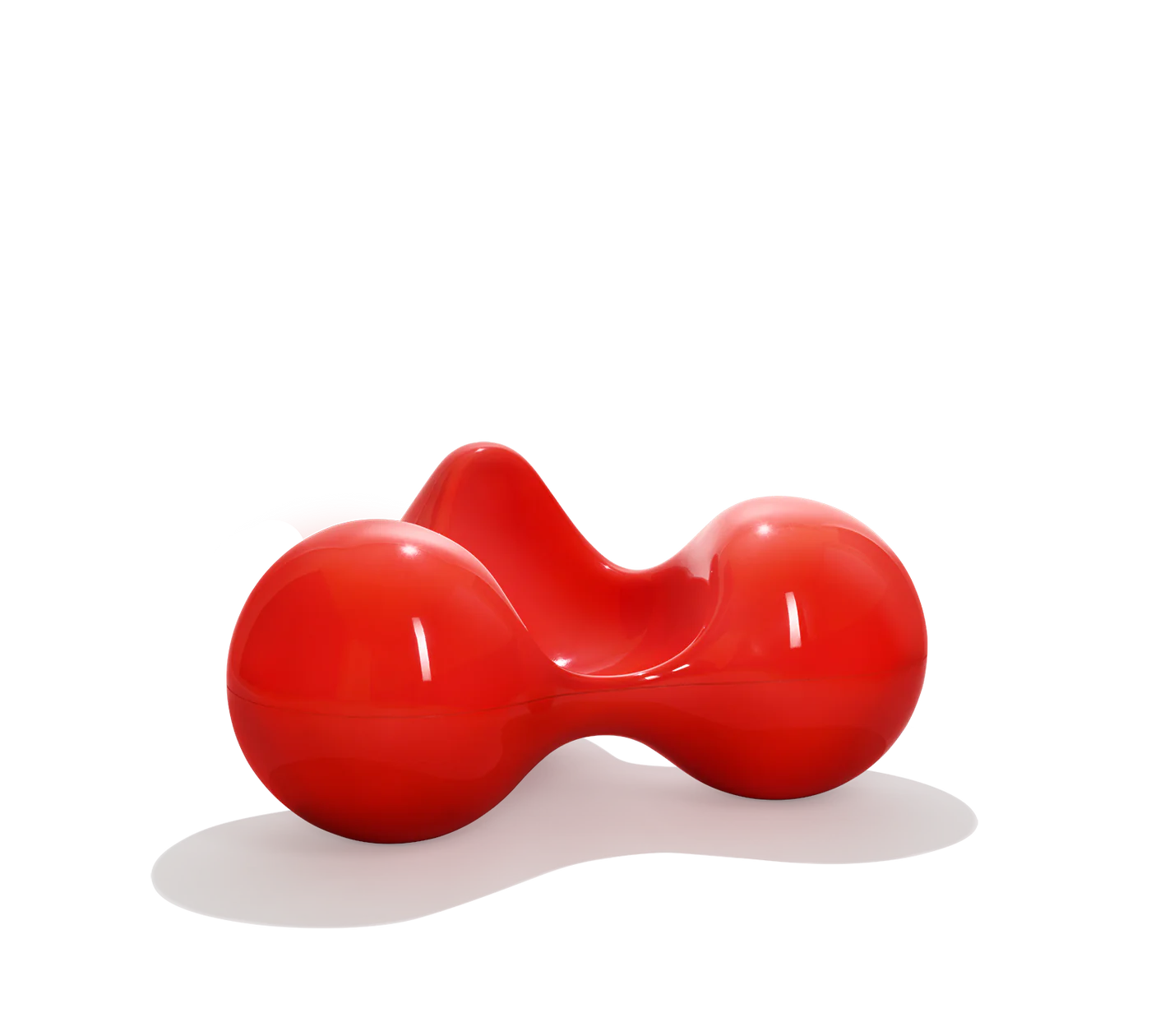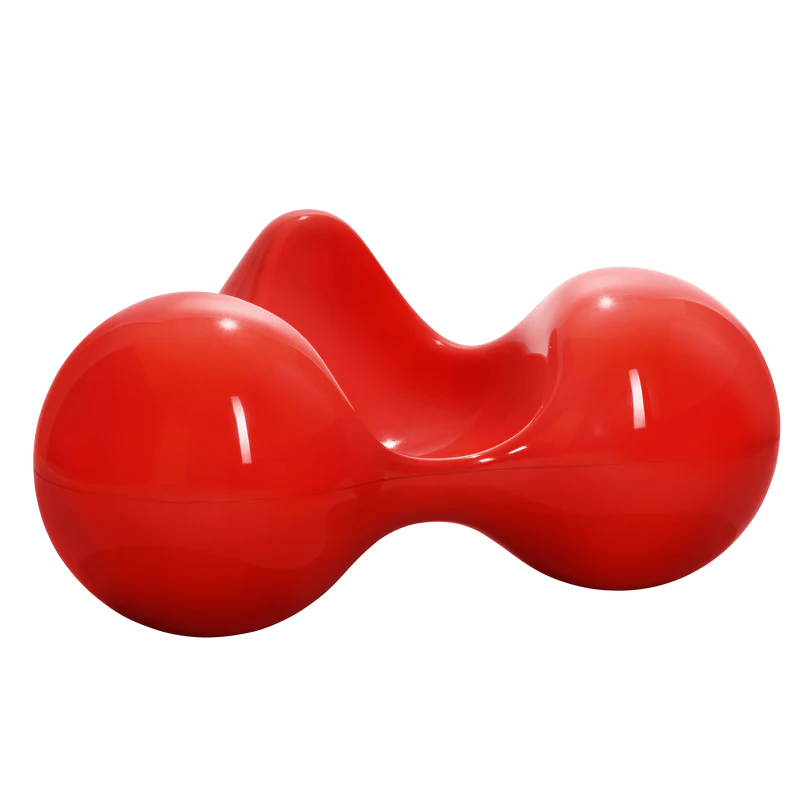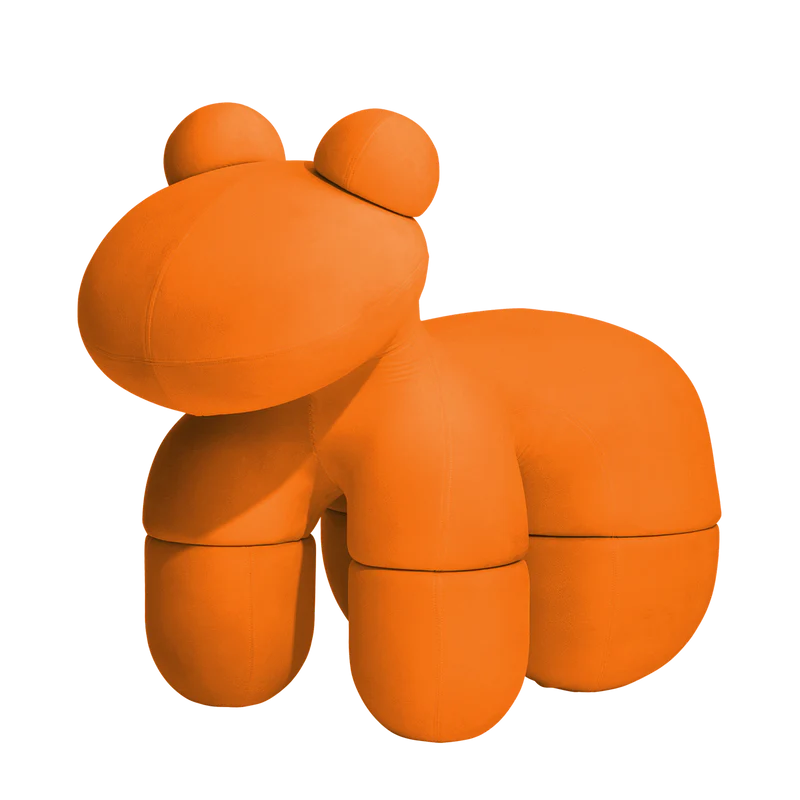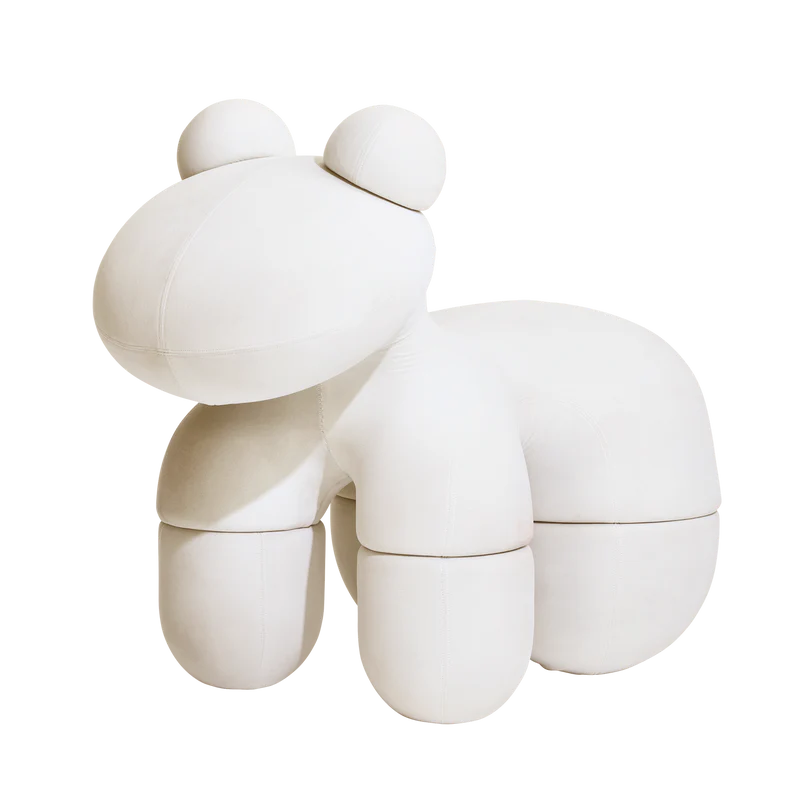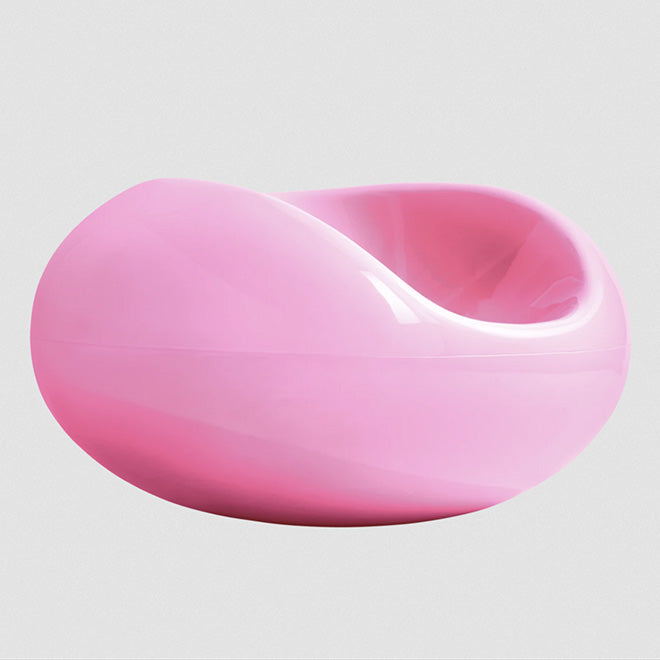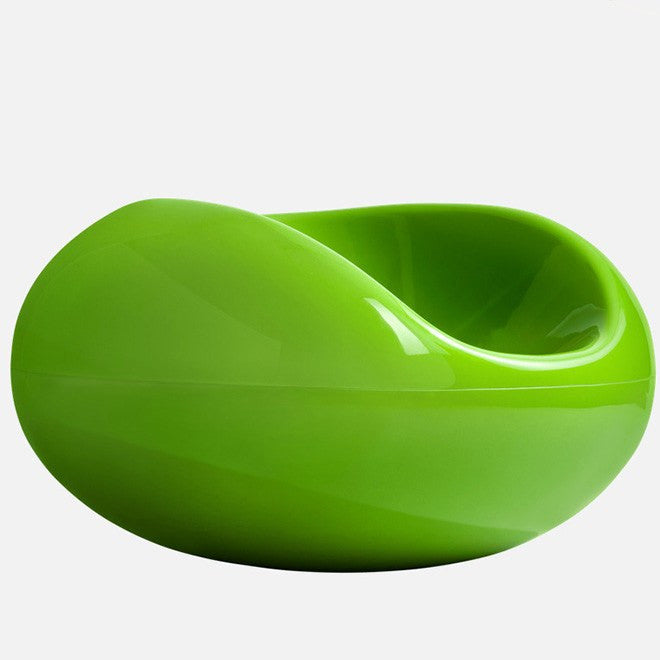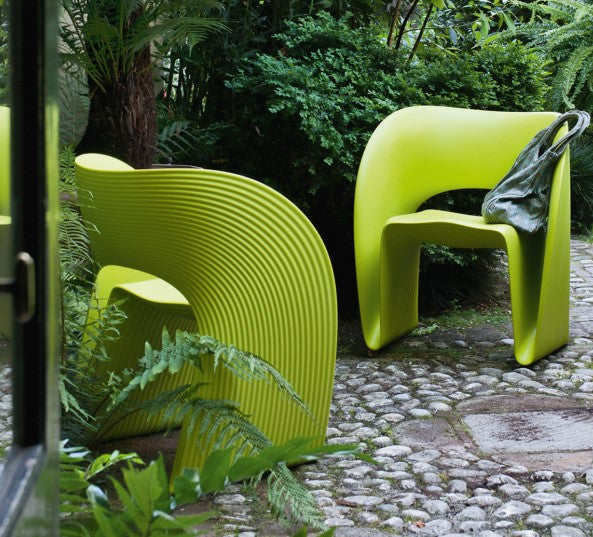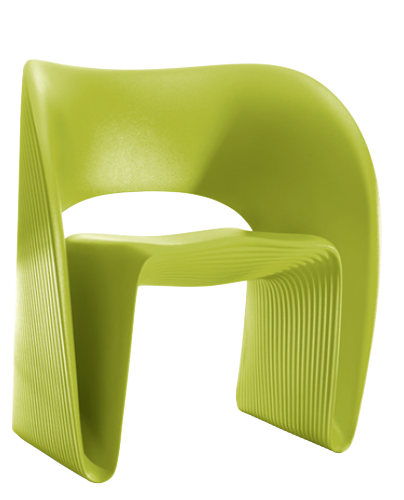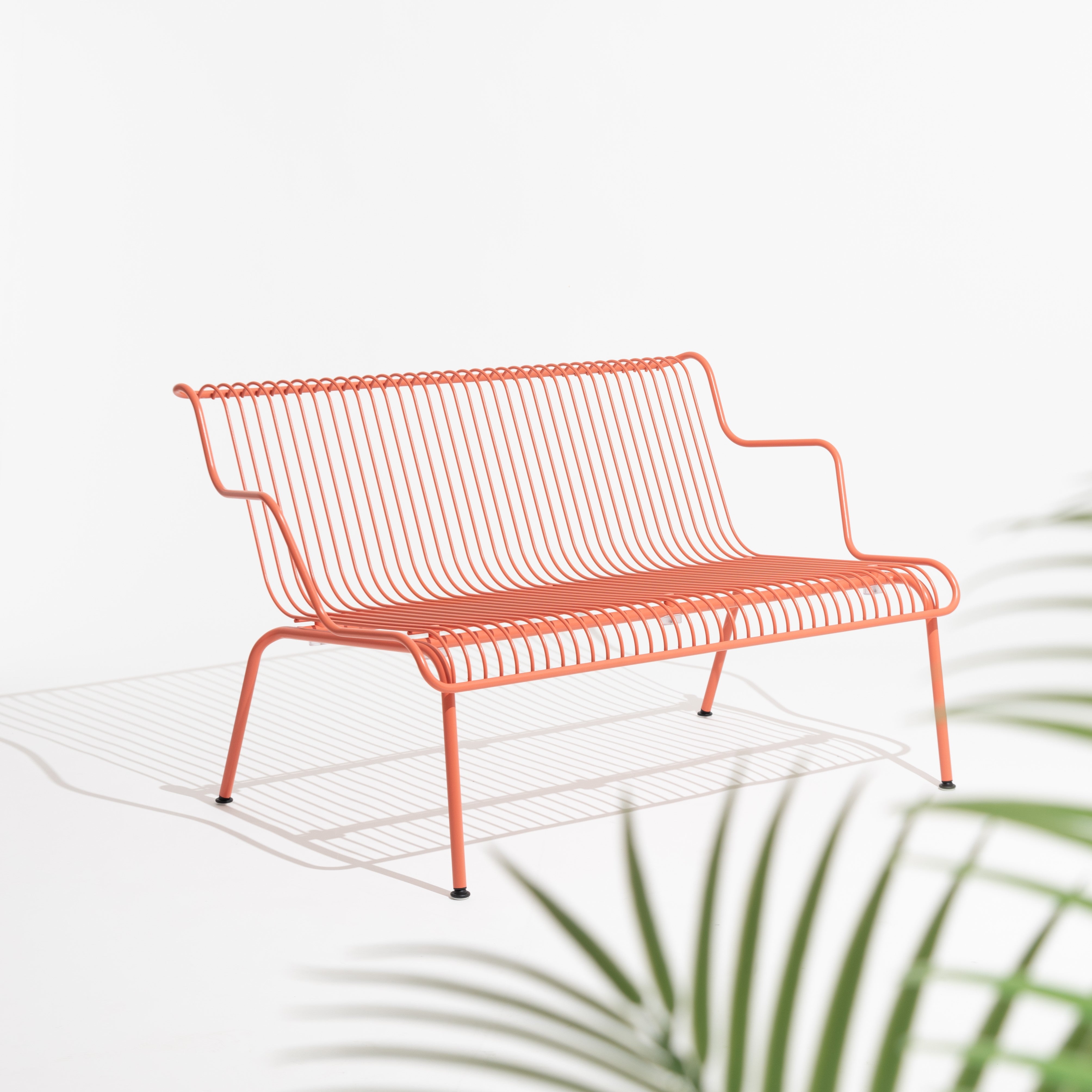
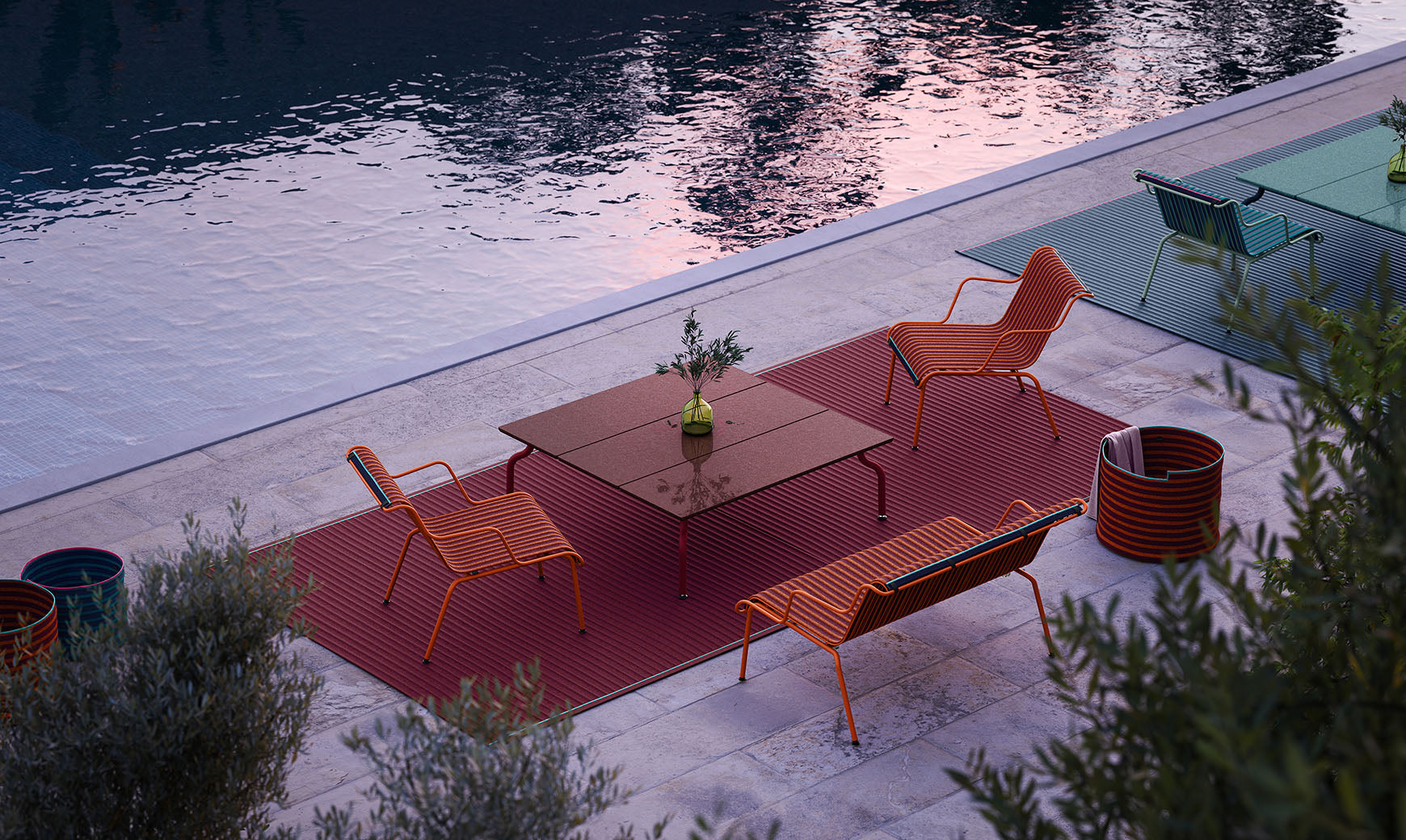
Magis Furniture - Air - Stacking Armchair by designer Jasper Morrison
The Air stacking armchair is made in air-moulded polypropylene and glass fibre. Suitable for indoor or outdoor use. Comes as set-of-4 of the same color in a box.
Also Available:
>View All Magis Furniture

Back to Magis Furniture
Height 28.5" Width 20.8" Seat Height 17.7"
Jasper Morrison
Jasper Morrison was born in London in 1959, and graduated in Design at Kingston Polytechnic Design School, London (1979-82 BA(Des.) ) and The Royal College of Art for Post Graduate studies (1982-85 MA(Des.) RCA). In 1984 he studied at Berlin's HdK on a Scholarship.
In 1986 he set up an Office for Design in London. His work was included in the Documenta 8 exhibition in Kassel in 1987, for which he designed the Reuters News Centre. The following year he was invited to take part in Design Werkstatt, a part of the Berlin, Cultural City of Europe program, where he exhibited Some new items for the house, part i at the DAAD Gallery.
At this time he began designing products for SCP in London, the German door handle producer FSB, the Office furniture company Vitra, and the Italian furniture producer Cappellini. In 1992 together with James Irvine, he organised Progetto Oggetto for Cappellini, a collection of household objects designed together with a group of young European designers. He also woked with Andreas Brandolini and Axel Kufus on a variety of installations, exhibition designs and town planning projects under the umbrella of Utilism International.
1n 1992, his slide show lecture A world without words was published in book format by the graphic designer Tony Arefin.
In 1994 Jasper Morrison was guest of honour and held an exhibition at the Interieur 94 exhibition in Belgium. In 1995 he held a solo exhibition at Bordeaux's Arc en Rêve Centre d'architecture. He began a consultancy with Üstra the Hannover Transportation Authority by designing a Bus Stop for the City.
In 1995 Jasper Morrison's office was awarded the contract to design the new Hannover Tram, the largest European light rail production contract of its time, at 500 Million Deutschemarks. The first vehicle was presented to the public in June 1997 at the Hannover Industrial Fair, and awarded the IF Transportation Design Prize and the Ecology award.
More recently exhibitions and instalations have included: The State of Things to complement the editing of the 1999 Design Year Book. Solo exhibitions at the Axis Gallery, Tokyo, for Flos at the Yamagiwa Centre in Tokyo, as Designer of the Year 2000 at the Paris Design Fair, a Magis exhibition with Marc Newson and Michael Young in Palermo, and another with Marc Newson at the Deste Foundation, Athens.
Recent projects include the design of furniture for Tate Modern in London, Luxmaster for Flos, Folding Air-Chair and Low Air-Table for Magis; a Monograph Everything but the Walls published by Lars Müller Publishers; a bench for the Roppongi Hills development in Tokyo; ATM desk system for Vitra and a line of kitchen appliances for Rowenta.
Jasper Morrison Ltd. currently based in London and Paris, have worked and in most cases still do for the follwoing companies:
Alessi Spa, Italy; Alias Srl, Italy; Canon Camera Division, Japan; Cappellini Spa., Italy; Flos Spa, Italy; FSB GmbH, Germany; Magis Srl, Italy; Rosenthal AG, Germany; Rowenta, France; Sony Design Centre Europe; Vitra International AG, Switzerland; Samsung Electronics, Korea.
Magis History
Magis is the brand that has given a novel twist to domestic design, building its identity on incorporating leading edge technology into mass production. Founded in 1976 in the bustling north eastern corner of Italy by a newcomer to the furniture business, Eugenio Perazza, Magis is today a giant international design laboratory that constantly puts itself to the test, seeking technological sophistication and employing a highly diversified workforce.
Magis seizes the day. It embraces the creativity of leading global designers (Richard Sapper, Jasper Morrison, Stefano Giovannoni, Marc Newson, James Irvine, Konstantin Grcic, Ron Arad, the Bouroullecs and many others) and channels it towards objects perched on the cutting edge. The company even earned kudos from the trendsetter's bible, Wallpaper, which placed Perazza on top of its list of "Ten who will change the way we live".
Magis is 30 years old. Until a short while ago Magis was one of the few companies that manufactured objects in plastic. Today the number has increased considerably. Still, Magis uses the most advanced molding technologies and techniques; it was the first company in the world to apply air molding to aesthetical goods.
Plastic will remain Magis' reference material, although it is now experimenting with others such as die-cast aluminum, aluminum metal sheet and wood.
Magis is a company in perfect health because it has good projects to develop as well as good intellectual capital, which is the distinguishing feature of the company. Excellent designers, a good design team and an extraordinary supply chain. Magis is characterized by the multiplicity of its expressive languages, its search for a deep meaning of the project, and its ethics instead of aesthetics.
Magis takes three/four years to turn the idea of a project into a finished product. Magis faces projects, both difficult and complex, taking high risks. Projects are completed as long as they are supported by a high spirit of experimentation and elevated technical cleverness.
Magis works with very well-known designers, but it has always been open to work with young designers, even at the outset of their careers. Jean-Marie Massaud and Jerszy Seymour made their debut on the design scene thanks to the opportunities Magis gave them. Now Magis discovers new passions and punctually chases former design glories, adding them to the mix. There was the interlude with Charlotte Perriand, and new design chapters are being written with Robin Day, a genius of English design, Eero Aarnio, a genius of Finnish design and Pierre Paulin, a genius of French design.
It is the price to pay for success. To reduce the possibility to be copied the entrance barrier needs to be elevated greatly. One will have to do complex projects with inventive loftiness and considerable engineering investments, and make moulds and equipment with high technical performance (technique is the ability of a company to make technology work). A qualitative distribution should too play an important role against copies selecting design-oriented companies and keeping me-too-oriented ones out.
|